Buying a popcorn maker costs between $20 and $200, and whether it’s worth it depends entirely on how often you actually eat popcorn. If you’re making it once a week or more, a dedicated machine pays for itself in about six months compared to buying microwave bags. For the occasional movie night, you’re probably better off sticking with a pot and some oil.
Let’s be real for a second. The question “Is it worth getting a popcorn maker?” isn’t really about the machine itself. It’s about your habits, your kitchen space, and your tolerance for cleaning up a mess. I’ve tested a handful of these things, from the cheap plastic air poppers to the heavy-duty theater-style machines, and the answer is never a simple yes or no.
So let’s break it down. Not with fluff, but with real numbers and real trade-offs.
The Real Cost Breakdown: Machine vs. Microwave
Here’s the math that most articles skip. A standard box of microwave popcorn (3 bags) costs around $3 to $4. That’s about $1 to $1.33 per bag. You’re paying for convenience and a paper bag.
Now, a popcorn maker. Let’s say you spend $50 on a decent air popper. A 2-pound bag of popcorn kernels costs about $5. That bag makes around 40 servings. Your per-serving cost for kernels? About $0.12 to $0.15. Add in a little oil and salt, and you’re still under $0.30 per bowl.
So, if you eat popcorn twice a week, you’re saving roughly $2 per session compared to microwave bags. That means your $50 machine pays for itself in about 25 uses, or roughly 3 months. After that, every bowl is pure savings.
But here’s the catch — that math only works if you actually use it. If the machine sits in your cabinet for six months, you’ve wasted $50.
The Three Types of Popcorn Makers (And Who They’re For)
Not all machines are created equal. In fact, they serve totally different people.
1. Hot Air Poppers ($20 – $40)
These are the lightest, cheapest, and healthiest option. No oil needed. You just dump in kernels, flip a switch, and popcorn flies everywhere (literally — they have a tendency to launch kernels out the chute).
2. Stovetop Stir-Crazy Poppers ($30 – $60)
These are the classic “Whirley Pop” style machines. You turn a crank that stirs the kernels in oil. They produce the best-tasting popcorn — tender, evenly coated, and with that movie theater crunch.
3. Theater-Style Machines ($80 – $200+)
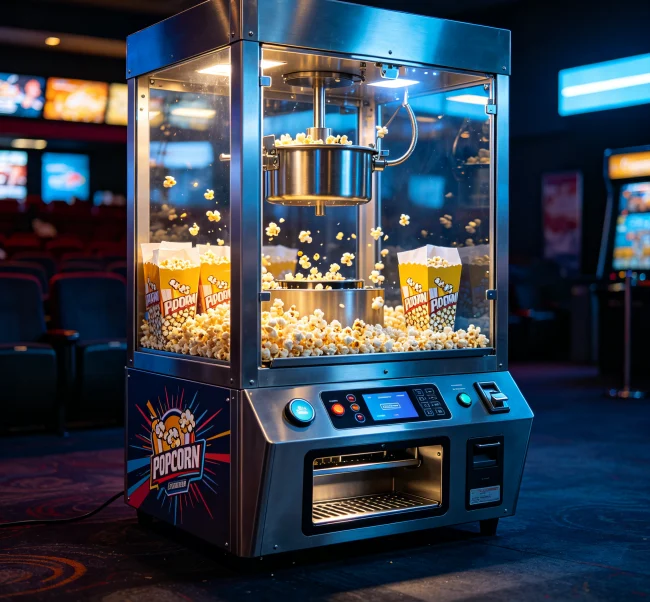
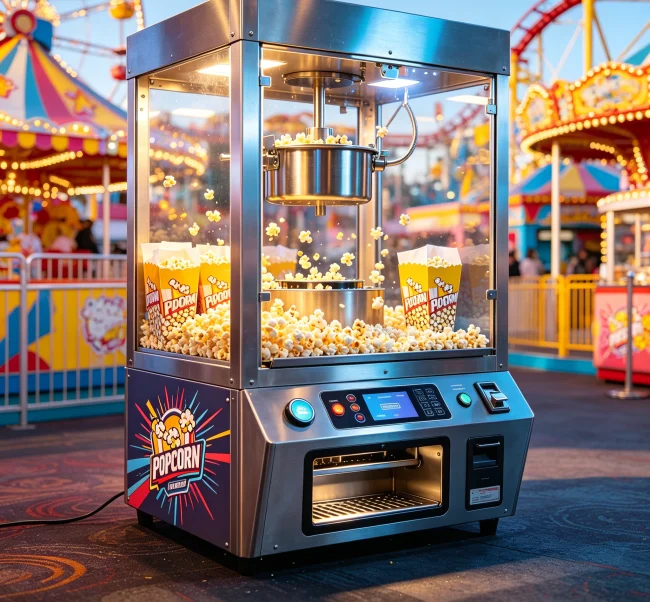
These are the big, red, glass-box machines you see at carnivals. They look amazing on a countertop. They heat oil in a kettle and dump the popcorn into a warming tray.
💡 Key Tip: Don’t buy a machine based on looks alone. Match the type to your actual usage pattern. A cheap air popper that gets used is better than a fancy machine that collects dust.
What Nobody Tells You About Cleaning
This is the hidden cost of owning a popcorn maker. And it’s a big one.
Microwave popcorn bags are disposable. You eat, you throw away the bag, you’re done. With a machine, you have to clean it. Every time.
If you’re the type of person who hates washing dishes, a popcorn maker might not be for you. Seriously. I’ve seen people buy these things, use them twice, and then go back to microwave bags because they couldn’t be bothered to clean the machine.
The Health Angle: Is Machine Popcorn Actually Better?
Yes, but only if you use it right.
Microwave popcorn is loaded with artificial butter flavoring, preservatives, and sometimes trans fats. A single bag can have 400-600 calories and 20-30 grams of fat. That’s not a snack — that’s a meal.
With a machine, you control everything. Air-popped popcorn has about 90 calories per cup with almost no fat. Even if you add a tablespoon of butter and some salt, you’re still under 200 calories per serving.
But here’s the thing — you have to actually do that. If you’re the type to drown your machine-made popcorn in melted butter and salt, you’re not really saving anything health-wise. You’re just making a mess.
💡 Practical Advice: If health is your main reason for buying, go with an air popper. But pair it with a spray bottle of oil and powdered seasonings (like nutritional yeast or chili powder) to add flavor without the fat.
The Verdict: Should You Buy One?
Let me give you a simple decision tree.
For the people in the middle — those who eat popcorn occasionally and are on the fence — I’d say try a stovetop pot method first. You can make great popcorn with just a pot, oil, and a lid. If you find yourself doing that once a week for a month, then buy a machine.
💡 Important Point: Don’t let the “savings” argument trick you into buying something you won’t use. A $50 machine that sits in a cabinet is a $50 loss. A $5 bag of kernels and a pot is a $5 investment.
What About Commercial Use?
If you’re thinking about using a popcorn maker for a small business — like a concession stand, a movie theater, or a vending machine business — the equation changes completely.
Commercial machines are built differently. They’re designed for high volume, continuous use, and easy cleaning. A good commercial popcorn machine can cost $500 to $2,000, but it can produce hundreds of servings per hour. The profit margin on popcorn is enormous — kernels cost pennies per serving, and you can sell a bag for $3 to $5.
For entrepreneurs, a popcorn machine isn’t just “worth it.” It’s a proven, low-risk revenue generator. If you’re interested in exploring this further, companies like VendingCore offer commercial-grade equipment and support for setting up a popcorn-based vending operation.
💡 Critical Info: For commercial use, don’t buy a home machine. It will break within months. Invest in a proper commercial unit with a metal kettle, a heating lamp, and a warranty. Your bottom line depends on it.
The Bottom Line
So, is it worth getting a popcorn maker? For the average person who eats popcorn regularly — yes, absolutely. You’ll save money, eat healthier, and have more fun. For the occasional snacker — probably not. Stick with a pot or microwave bags.
The key is being honest with yourself about your habits. Don’t buy the machine for the person you want to be. Buy it for the person you already are.