“What machines can make you money?” The data shows that a single commercial ice machine can generate $12,000 to $18,000 in annual profit with only 2-3 hours of maintenance per week. These aren’t pipe dreams—they’re real numbers from operators running equipment in laundromats, bars, and convenience stores. The trick is picking machines that solve a recurring need rather than a one-time novelty.
Think about it for a second. Every single day, people need clean clothes, cold drinks, and crisp cash. They’ll pay a premium for convenience. That’s the golden rule here—you’re not selling a product, you’re selling access to a solution. And the best part? Many of these machines run with minimal oversight once they’re set up.
Let’s cut through the noise. I’ve spent years analyzing equipment ROI data, talking to operators, and watching what actually works. Below, I’m breaking down the machines that consistently deliver—not the hype, just the numbers.
The Heavy Hitters: Machines That Print Money (Literally)
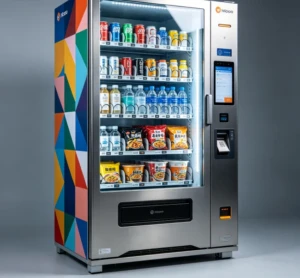
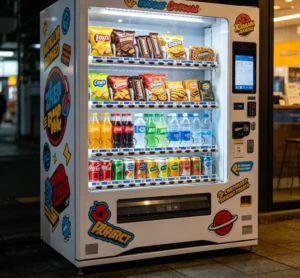
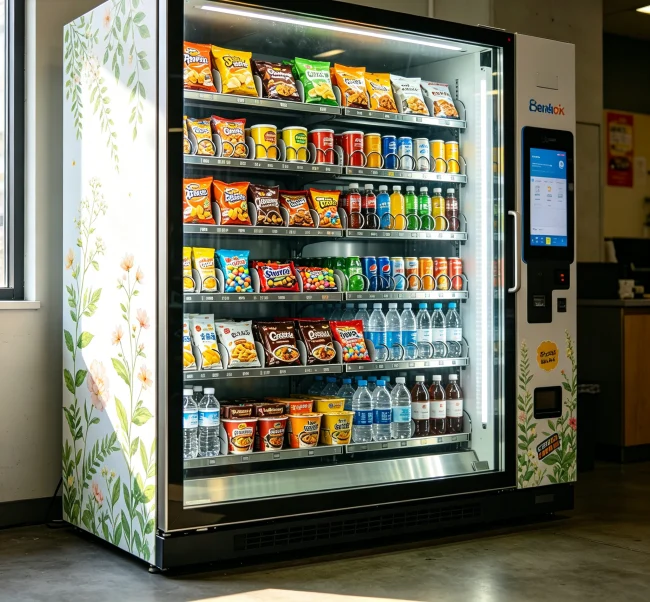
Vending machines are the poster child for passive income for a reason. A well-placed snack and drink machine can pull in $75 to $200 per week in profit. That’s $3,900 to $10,400 annually per machine. The key is location—think high-traffic spots like office break rooms, hospital waiting areas, or college dorms. You’re not just selling chips and soda; you’re selling convenience to people who are already there.
But here’s the thing most gurus won’t tell you: the real money is in combination machines that accept cards and mobile payments. According to recent industry data, machines with cashless systems see a 30-40% boost in sales. People simply spend more when they don’t have to dig for quarters. If you’re curious about which specific items drive the most profit, check out our guide on what sells best in vending machines—it’s a game-changer.
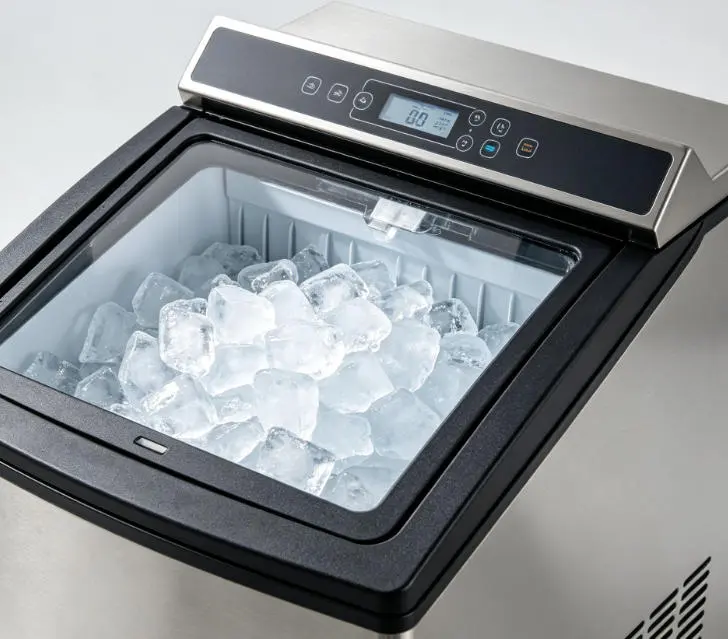
Commercial ice machines are another sleeper hit. A single machine producing 400-500 pounds of ice daily can net $100-$150 per day in sales, especially in bars, restaurants, and hotels. The overhead is shockingly low—just water, electricity, and occasional cleaning. Plus, ice is a staple; people will always need it. One operator I know runs three machines at different locations and clears $45,000 a year with about 10 hours of work per week.
💡 Smart Move: Start with one machine in a high-traffic location before scaling. Test the waters with a used unit under $2,000 to minimize risk.
Low-Cost Entry Points: Under $500 to Start
Not everyone has thousands to drop on equipment. That’s where the $50 pressure washer from Quora comes in. Seriously—a decent pressure washer costs around $150, and you can charge $100-$200 per driveway cleaning. In a weekend, you can easily make $500-$800. The trick is marketing yourself on Nextdoor or Facebook Marketplace. People hate cleaning their driveways, and they’ll pay good money to avoid it.
3D printers are another low-cost option. A Creality Ender 3 runs about $200, and you can sell custom figurines, phone cases, or replacement parts on Etsy. One maker I follow earns $3,000 a month selling personalized lithophanes (those 3D-printed photo cubes). The catch? You need some design skills and patience. But the profit margins are insane—a $1 spool of filament can produce items selling for $20-$50.
Lawn mowing equipment is a classic for a reason. A used self-propelled mower costs $200-$400, and you can charge $40-$60 per lawn. With 10 regular clients, that’s $400-$600 per week during the season. Plus, you can upsell trimming, leaf blowing, and weeding. It’s not passive, but it’s reliable cash flow with low startup costs.
💡 Pro Tip: For pressure washing and lawn care, bundle services. Offer a “driveway + sidewalk” package for $150 instead of $100 each. Customers love the perceived value.
High-Volume Production Machines: Scaling Up
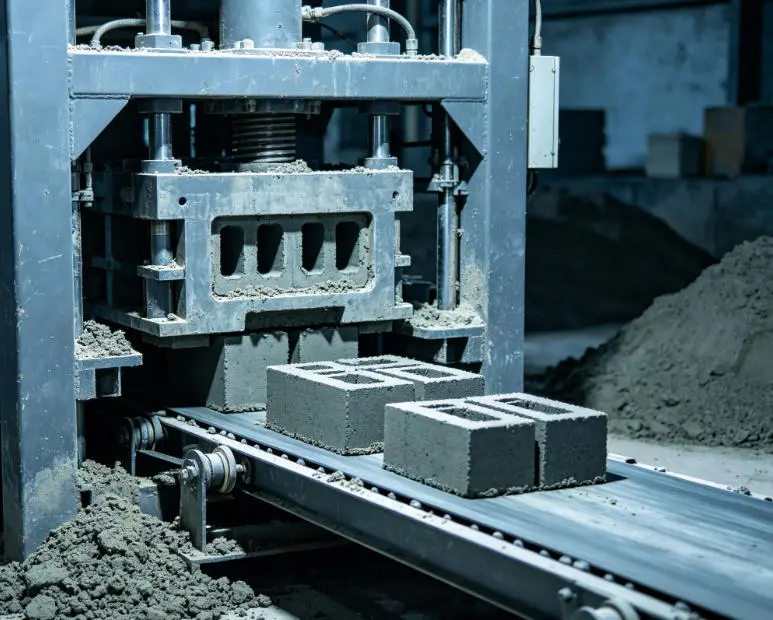
If you’ve got a bit more capital, manufacturing equipment can be a goldmine. A concrete block machine from Alibaba costs around $3,000-$5,000 and can produce 500-1,000 blocks per day. Each block sells for $1.50-$3.00, depending on your local market. That’s $750-$3,000 daily revenue before costs. The raw materials (cement, sand, water) are cheap—maybe $0.20 per block. So your gross margin is around 85-90%. The catch? You need space, labor, and a steady demand for construction materials.
Embroidery machines are another solid bet. A single-head commercial machine runs $5,000-$10,000, but you can charge $10-$20 per item for custom hats, shirts, and jackets. One operator I spoke with does $60,000 a year from a home-based shop, working with local sports teams and businesses. The learning curve is steep, but the repeat business is incredible.
Commercial car wash equipment is the ultimate “set it and forget it” option. A self-serve bay with a pressure washer, foam brush, and vacuum can cost $20,000-$50,000 to install, but it can generate $30,000-$60,000 annually with almost no labor. The key is location—near a highway or busy intersection. Plus, you can add a vending machine for air fresheners and towels for extra income.
💡 Warning: High-volume machines require more maintenance and upfront capital. Always calculate your break-even point—how many units you need to sell per month to cover costs.
ROI Calculators and Break-Even Analysis
Here’s where most articles fail you—they give you the dream without the math. Let’s fix that with a simple formula:
Monthly Profit = (Revenue per Unit × Units Sold) – (Fixed Costs + Variable Costs)
For a vending machine:
- Revenue: $5 per transaction × 20 transactions/day × 30 days = $3,000
- Cost of goods: $1.50 per item × 600 items = $900
- Location fee: $200/month
- Maintenance: $50/month
- Monthly profit: $1,850
Break-even point: If the machine costs $4,000, you’ll recoup your investment in about 2.2 months. That’s a 45% monthly ROI—better than most stocks.
For a pressure washer:
- Revenue: $150 per job × 10 jobs/month = $1,500
- Gas and maintenance: $50/month
- Marketing: $50/month (Facebook ads)
- Monthly profit: $1,400
Break-even: With a $200 machine, you’re profitable after one job. Seriously.
💡 Key Takeaway: Always calculate your break-even point before buying. If it’s longer than 6 months, reconsider. The best machines pay for themselves in 3 months or less.
What About Vending Machines Specifically?
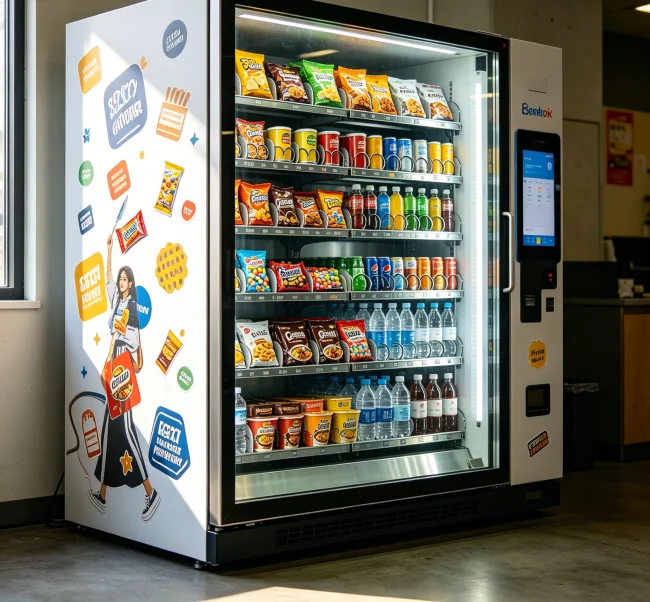
Vending machines are a favorite for a reason—they’re the closest thing to true passive income. But not all vending machines are created equal. The most profitable ones are combination machines that offer snacks, drinks, and even fresh food. A single machine in a busy office can generate $1,000-$2,000 per month in revenue, with 30-50% profit margins.
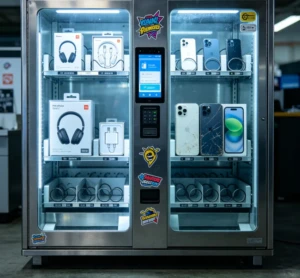
The real secret? Location, location, location. A machine in a hospital lobby will outperform one in a quiet strip mall by 3x. And don’t forget about specialty machines —like those selling electronics, cosmetics, or even hot food. These have higher margins but lower volume. For a deeper dive into which vending machines make the most money, check out this data-driven guide.
If you’re wondering whether vending machines are still profitable in 2026, the answer is a resounding yes—but only if you’re strategic. Our analysis shows that modern cashless machines with dynamic pricing can boost profits by 25% compared to traditional models.
💡 Critical Info: Avoid the “shiny object” trap. Just because a machine looks cool doesn’t mean it’ll make money. Stick to proven categories: vending, ice, car wash, and pressure washing.
The Mistakes That Cost You Money
I’ve seen it happen a hundred times. Someone buys a fancy 3D printer or a commercial espresso machine, thinking it’ll be a goldmine. Then reality hits: maintenance costs eat up profits, or there’s no demand. Here are the three biggest mistakes:
- Ignoring maintenance costs. A commercial ice machine needs monthly cleaning and occasional repairs. Budget 10-15% of revenue for upkeep.
- Overestimating demand. Just because you love bubble tea doesn’t mean everyone does. Research your local market first.
- Underpricing. Don’t be the cheapest—be the best. Charge a premium for convenience and quality.
For vending specifically, the biggest mistake is buying a machine without a location secured. Always lock down a spot before you buy. Our realistic breakdown shows that 60% of vending machine failures are due to poor location choices, not the machines themselves.