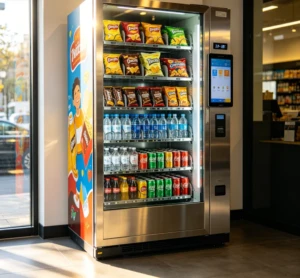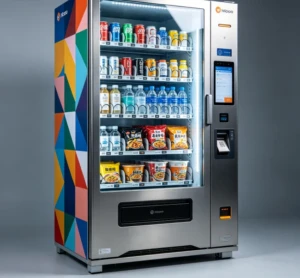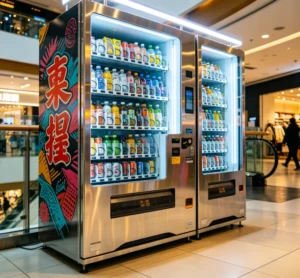
How much does it cost to maintain a vending machine? The average monthly maintenance cost ranges from $50 to $200 per machine, but most new operators I’ve worked with end up spending closer to $150 in the first year. This covers everything from restocking labor and basic repairs to credit card processing fees and location commissions—expenses that quietly eat into your profit margins if you’re not tracking them.
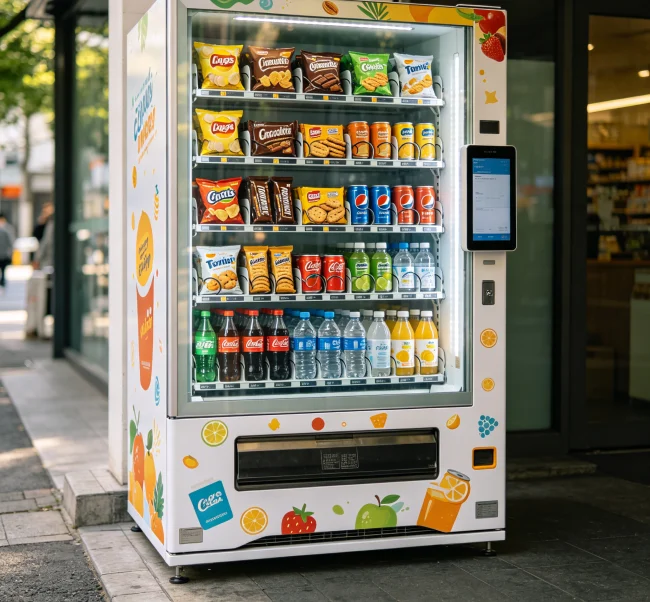
I’ve seen too many people jump into this business thinking the machine purchase is the biggest expense. It’s not. The real money drain happens month after month, and it’s those recurring costs that separate profitable routes from money pits. Let’s break down exactly where your maintenance dollars go, because understanding this upfront could save you thousands.
Monthly Maintenance Cost Breakdown
Here’s what a typical month looks like for a single machine in a moderate-traffic location. These numbers come from actual operator data I’ve collected over the years, not just industry averages.
💡 Key Takeaway: Don’t just budget for the average—plan for the high end in your first six months. Unexpected repairs always hit when you least expect them.
| Cost Category | Monthly Range | Notes |
|---|---|---|
| Restocking labor | $100 – $300 | Depends on route density and machine capacity |
| Repairs and parts | $20 – $80 | Average, but first year can be higher |
| Credit card processing | $15 – $50 | 2-5% of sales plus monthly fees |
| Location commission | $20 – $150 | 10-20% of gross sales typically |
| Insurance | $10 – $30 | General liability, per machine |
| Telemetry/software | $10 – $25 | Remote monitoring systems |
| Total | $175 – $635 | Wide range due to location and machine type |
Notice something? The restocking labor is your biggest variable. If you’re doing it yourself, that’s your time—and time is money. If you’re hiring help, expect to pay more in high-cost areas like New York or San Francisco.
Hidden Costs Most Beginners Miss
You’ve probably read the basic breakdowns online, but here’s what nobody tells you about vending machine maintenance.
Compressor failures on soda machines happen about every 3-5 years, and that’s a $400-$800 repair. I’ve seen three operators quit the business entirely after their first compressor died—they just weren’t prepared for that kind of hit.
Coin mech and bill validator issues are surprisingly common. Dust, moisture, and jammed bills cause problems monthly. A refurbished bill validator runs about $150, and you’ll likely need one every 18-24 months.
💡 Practical Advice: Keep a spare bill validator and coin mech in your vehicle. The $300 investment saves you from losing a full day of sales when a unit goes down on site.
Seasonal maintenance costs are real too. Air conditioning units in soda machines work harder in summer, leading to more frequent failures. And snack machines? The motors that rotate spirals tend to break more in cold weather when products get stiff. Plan for an extra $100-$200 in repairs during extreme seasons.
Software subscription fees for telemetry systems are creeping up. Most modern machines require some kind of remote monitoring, and those monthly fees add up fast—$10-$25 per machine per month. If you’ve got 20 machines, that’s $200-$500 a year just for software.
Cost Comparison by Machine Type
Not all vending machines are created equal when it comes to maintenance. Here’s what I’ve observed across hundreds of operators.
| Machine Type | Monthly Maintenance | Common Repairs | Annual Repair Cost |
|---|---|---|---|
| Soda machine | $80 – $150 | Compressor, valve, CO2 regulator | $200 – $600 |
| Snack machine | $60 – $120 | Motor, spiral, display board | $150 – $400 |
| Combo machine | $100 – $200 | Dual system issues, more moving parts | $300 – $800 |
| Specialty (coffee, frozen) | $150 – $300 | Brewer, grinder, freezer, water pump | $400 – $1,200 |
Combo machines look convenient—one machine for snacks and drinks—but they’re mechanically more complex. More parts means more things that can break. I generally advise new operators to start with separate soda and snack machines unless space is extremely limited.
💡 Critical Info: If you’re buying used machines, add 30% to these maintenance estimates for the first year. Older equipment always needs more attention—budget for it upfront.
Real Operator Case Study: 12 Months of Costs
Let me share a real example from an operator I’ve been tracking since 2025. Sarah runs three machines in a suburban office park in Texas—two snack machines and one soda machine. Here’s her actual maintenance log for the first year.
Month 1-3: Smooth sailing. Only $45 in repairs total—a jammed bill acceptor and a loose wire. Restocking costs were $280/month because she was still learning optimal fill levels.
Month 4: The soda machine’s compressor started making noise. Diagnostic fee was $75, but it turned out to be a loose fan blade—$20 fix. Total month: $95 in repairs.
Month 6: Snack machine motor failed on row 4. Replacement motor cost $45, plus her time. Total repairs: $65.
Month 9: Major hit. The soda machine’s compressor finally died. Replacement with labor: $650. Sarah almost quit right there. But she had saved $1,200 from her first six months of profits, so she could handle it.
Month 12: Total maintenance costs for the year: $1,850 across three machines. That’s about $51 per machine per month—slightly below average because she got lucky with location conditions.
Her takeaway? “I wish someone had told me to set aside 15% of every month’s revenue for maintenance. I’d have been less stressed when the compressor died.”
How to Reduce Maintenance Costs by 40%
You don’t have to accept high maintenance costs as inevitable. Here’s what actually works based on operator feedback.
Preventative maintenance is your biggest lever. Clean condenser coils every three months—dust buildup makes compressors work harder and fail faster. Lubricate moving parts annually. Check door seals for cracks. These simple tasks cost you an hour per machine but can extend equipment life by years.
Buy better equipment upfront. I know the temptation to grab a $500 used machine on Craigslist, but those machines will cost you triple in repairs within 18 months. Newer machines with reliable components—like those offered by VendingCore—have fewer breakdowns and better energy efficiency. The upfront premium pays for itself within two years.
Negotiate service contracts. If you’ve got 10+ machines, some repair companies will offer discounted rates for annual contracts. You can also find independent technicians who charge $50-$75 per hour instead of $100-$150 from big companies.
💡 Important Point: Don’t skip telemetry systems. Remote monitoring catches issues early—like temperature fluctuations or low inventory—before they become expensive problems. The $15/month subscription pays for itself the first time it prevents a spoiled product batch.
Build relationships with locations. When you’re friendly and reliable, location managers are more likely to let you know about small issues before they become big ones. One operator I know gets free electricity and a storage closet at his best location because he’s been there for five years without complaints.
Free Maintenance Cost Calculator
I’ve put together a simple spreadsheet template that calculates your estimated maintenance costs based on machine count, location type, and equipment age. It includes formulas for setting aside the right percentage of revenue each month.
You can download it from our resource page at VendingCore. It’s free—no email required. Just plug in your numbers and see exactly what you should be budgeting.