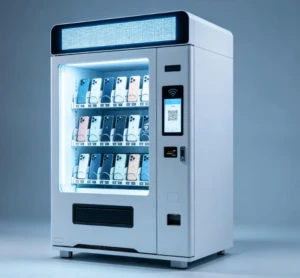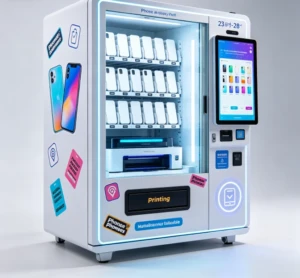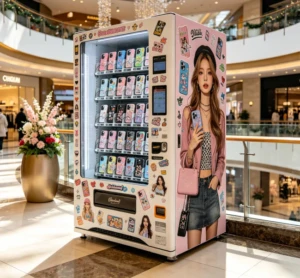
Where to buy phone case vending machines? The most direct answer is from specialized manufacturers in China, where over 70% of global production originates, with base machine prices typically ranging from $3,000 to $8,000 USD. This isn’t just a product purchase—it’s acquiring a self-service retail business model that’s popping up in malls, airports, and campuses worldwide. The real question isn’t just “where,” but “from whom should I buy to ensure my investment pays off?”
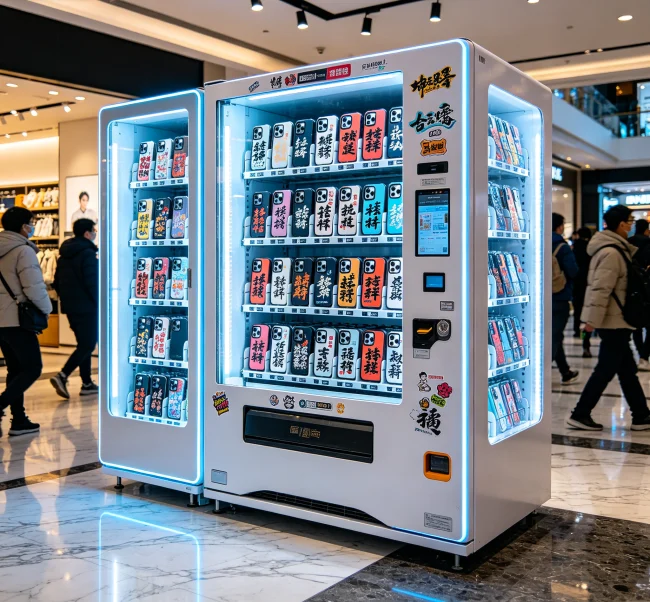
Let’s cut through the noise. You’ll find sellers on massive B2B platforms like Alibaba, dedicated manufacturer websites, and even some domestic integrators. But each source comes with different trade-offs in price, support, and reliability. Getting this decision wrong can turn a promising side hustle into a costly headache.
It’s simple math with a side of instant gratification. Consumers love personalization, and a phone case vending machine lets them design and print a unique case in under 5 minutes. For you, the operator, the margins are attractive. The blank case might cost you $2-$4, while the finished product sells for $15-$30. In a decent foot-traffic location, that can translate to a significant daily take.
The beauty is the low overhead. Once the machine is installed, it’s mostly about restocking blanks and collecting cash (or digital payments, which is a must-have feature now). We’ve seen entrepreneurs target college campuses, movie theater lobbies, and large corporate offices—anywhere people have a few minutes to kill and a desire to express themselves.
💡 Key Takeaway: Focus on locations with captive, bored audiences. Airports, DMV waiting areas, and university student unions often outperform flashy mall spots with distracted shoppers.
Understanding Your Core Technology Options
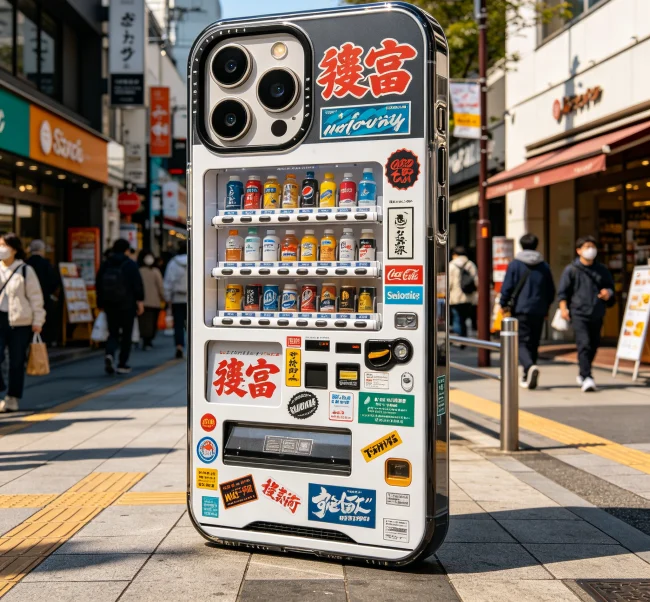
Not all phone case vending machines are created equal. The technology inside dictates your print quality, speed, and the types of cases you can offer. You’ve got two main paths.
First, the UV Flatbed Printer. This is the professional workhorse. It uses UV-curable ink that’s sprayed onto the case and instantly cured with a UV light. The results are vibrant, durable, and it can print on a wider variety of materials. The downside? The machines are generally more expensive and the printing process can be a bit slower.
Then there’s the Dye-Sublimation (Dye-Sub) Printer. This method uses heat to transfer dye from a special paper onto a polymer-coated case. The image becomes part of the coating, giving it a smooth feel. Dye-sub machines are often more compact and faster for a single print. However, they typically only work on light-colored cases and the print can be less resistant to scratching over time.
Here’s a quick breakdown to help you compare:
| Feature | UV Printer Machine | Dye-Sublimation Machine |
|---|---|---|
| Best For | Premium quality, diverse materials (hard cases, some soft cases) | Speed & lower initial cost, standard polymer cases |
| Print Durability | Excellent, highly scratch-resistant | Good, but can wear over time |
| Case Color Limitation | Can print on dark and light cases | Best on white/light-colored case blanks |
| Operational Complexity | Higher (ink system maintenance) | Lower (paper and dye cartridge changes) |
Your choice here will ripple through your entire business—affecting your cost per unit, your marketing (“photo-realistic prints!” vs. “60-second custom cases!”), and the type of supplier you need to work with.
The Real Supplier Landscape: Where to Actually Buy
This is where most guides just list websites. Let’s talk about the actual types of sellers and what dealing with each is really like.
1. Major Chinese Manufacturers (via Alibaba/Made-in-China)
This is where you’ll find the lowest upfront prices. Companies in Shenzhen and Guangzhou dominate this space. You can get a fully-loaded machine for sometimes half the cost of a Western brand.
Pros: Maximum customization (you can tweak the software, cabinet size, payment systems). Rock-bottom unit cost.
Cons: Communication barriers. Minimum Order Quantities (MOQs) of 1-3 units are common but can be higher. The biggest hurdle? After-sales support. If a mainboard fails in 8 months, who fixes it? You need a supplier with a proven track record of providing spare parts and remote troubleshooting. This is a key area where our team at VendingCore adds value—we help buyers navigate this landscape and connect with manufacturers who have reliable support channels, not just the lowest price.
2. Domestic Integrators/Resellers (North America & Europe)
These companies import the machines, sometimes do light assembly or software localization, and then sell them locally.
Pros: Easier communication, local warranty (often 1 year), and they might help with installation. You’re paying for peace of mind.
Cons: Significant price markup (often 50-100%+ over the factory price). Customization options are limited to what they’ve pre-configured.
3. Premium “Turn-Key” Brands
These are the fully branded solutions you might see in a high-end mall. They provide the machine, the software, the case supply chain, and sometimes even location placement services.
Pros: It’s a complete business-in-a-box. Very hands-off for the operator.
Cons: Extremely high cost, and they often take a large percentage of your revenue or require a franchise fee. Your profitability is much lower.
💡 Critical Advice: Never buy based on a website photo alone. Always, always request a live video call demonstration of the exact machine model you’re considering. See it print a case in real-time.
The Hidden Costs Nobody Talks About
The machine’s price tag is just the entry fee. If you don’t budget for these extras, your ROI calculations will be fantasy.
When you add it all up, your total startup cost for a single machine can easily be 40-60% higher than the base unit price. A $5,000 machine can easily become an $8,000 total investment by the time it’s operational.
Your Pre-Purchase Checklist: What to Ask Every Supplier
Don’t just ask for a price quote. Send a list of technical and support questions. A professional manufacturer will answer them clearly. A dubious one will avoid them.
💡 Practical Tip: Ask the supplier for contact information for 1-2 of their customers in your region. A reputable company will have happy clients willing to share their experience. If they refuse, consider it a red flag.
Making the Final Decision and Next Steps
So, where does this leave you? If you’re technically savvy, have time to manage logistics, and want the absolute best unit economics, sourcing directly from a vetted Chinese manufacturer is your best bet. If your priority is minimizing hassle and you have the extra budget, a local reseller makes sense.
For most serious buyers, the smart move is to shortlist 3-4 suppliers from different categories. Get detailed quotes from each that include FOB price, shipping cost to your nearest port, and a list of all included components. Compare them side-by-side using your checklist.
This is precisely the process we facilitate at VendingCore. Business owners come to us with their requirements—budget, desired features, target location—and our team uses its deep network and industry knowledge to match them with qualified manufacturers that fit their specific scenario. We help cut through the complexity of international sourcing to find a reliable partner.
With a well-chosen machine in a good location, you can realistically aim for an ROI within 3 to 6 months. After that, it’s mostly profit, minus your consumable costs. It’s a tangible, tech-driven business that answers the modern demand for instant, personalized products.
If you’re evaluating suppliers and want to ensure you’re connected with manufacturers who have proven support systems and quality standards, our team can help. Submit your specific requirements for a phone case vending machine, and VendingCore will match you with qualified partners from our global network, helping you navigate the sourcing process with confidence.