Home / Vending Machine Business / How Much Is a Vending Machine License UK – 2026 Cost & Permit Guide

How Much Is a Vending Machine License UK – 2026 Cost & Permit Guide

The cost of a vending machine license in the UK isn’t a single fee; it’s a combination of mandatory registrations and permits that typically range from £0 to over £500 annually, with the most significant variable cost being a potential local council permit. If you’re planning to sell food or drink, you’ll need to register with your local authority—and that’s just the start. The total “license” cost depends entirely on your business model, location, and what you’re selling, making upfront budgeting a common headache for new operators.
how much is a vending machine license uk

Let’s cut through the confusion. You’re not just buying a permit; you’re navigating a framework designed for public health and street trading. Getting a clear picture now prevents costly surprises later.

First off, forget the idea of one universal “vending machine license.” The UK doesn’t issue that. Instead, you’re looking at a few key legal requirements that act as your operating licenses. Missing one can lead to fines or being shut down, so it’s crucial to know what applies to you.

The main components are:

  • Food Business Registration: Mandatory and free if you sell any food or drink (including bottled water, snacks, or coffee).
  • Local Authority Permit / Street Trading Consent: Often the major cost. Required if your machine is on public land like a high street, in a council-owned park, or sometimes even in a privately-owned location that requires council approval.
  • Pedlar’s Certificate: A specific, low-cost certificate for those operating truly mobile vending units (e.g., pushing a cart).
  • The type of location you secure is the biggest factor in determining your costs and required paperwork. A machine inside a private office you’ve contracted with is a very different regulatory beast than one on a railway station concourse.

    💡 Key Takeaway: Before you even look at machine costs, define your location strategy. Is it private property (like a factory) or public land? This single decision dictates most of your licensing path and fees.

    2026 Cost Breakdown: Permits, Registrations & Fees
    2026 Cost Breakdown: Permits, Registrations & Fees

    Here’s where we provide the clarity other guides often miss. Instead of burying numbers in paragraphs, here’s a structured view of the potential costs. Remember, fees can change, so always use the links to check the latest official information.

    Requirement What It Is & When It’s Needed Typical Cost Range (2026) Key Notes & Official Source
    Food Business Registration Mandatory for ANY business selling food or drink, regardless of size. You must register with your local authority at least 28 days before trading. FREE No fee, but it’s illegal to operate without it. Registration is for the business, not per machine. Gov.uk Food Business Registration
    Local Authority Street Trading Licence / Consent Required if your machine is on “public land” or land where the public has access (council estates, some transport hubs, public parks). £100 – £500+ per year This is the big variable. Fees are set by each council and can vary wildly. Some may charge a flat fee, others based on the pitch location or machine size. You must contact your specific local council.
    Pedlar’s Certificate Only for individuals trading while travelling on foot (e.g., mobile ice cream or coffee carts). Not for static vending machines. £12.25 per year (England & Wales) Applied for through your local police station. It’s personal to the holder. Gov.uk Pedlar’s Certificate
    Public Liability Insurance Not a “license,” but absolutely essential. Covers you if a member of the public is injured or has property damaged by your business/machine. £200 – £600+ per year Cost depends on coverage level, number of machines, and location. Many landlords and councils will require proof of insurance before allowing you to operate.

    See how the location changes everything? A machine on private property might only need the free food registration and insurance. One on a busy high street could add a £400 annual council permit to that.

    💡 Practical Advice: Start your council research early. Visit your target council’s website and search for “street trading licence” or “market trader licence.” Call their licensing department if information isn’t clear. This due diligence is non-negotiable.

    The Application Process: What You’ll Need to Do
    The Application Process: What You'll Need to Do

    It’s not just about paying a fee. Be prepared to provide information. The process generally looks like this:

  • Finalise Your Location: You can’t apply for most permits without a specific address or pitch in mind.
  • Register as a Food Business: Do this online via Gov.uk. It’s straightforward and you’ll get confirmation from your environmental health office.
  • Apply for Street Trading Consent: Contact the council’s licensing team. They’ll send an application pack requiring details about you, your business, the machine(s), site plans, and proof of insurance. There’s often a consultation period.
  • Wait for Approval: Don’t assume instant approval. Council committees may meet monthly to review applications. Build this time into your launch plan.
  • Beyond the License: The Real Startup Cost Picture
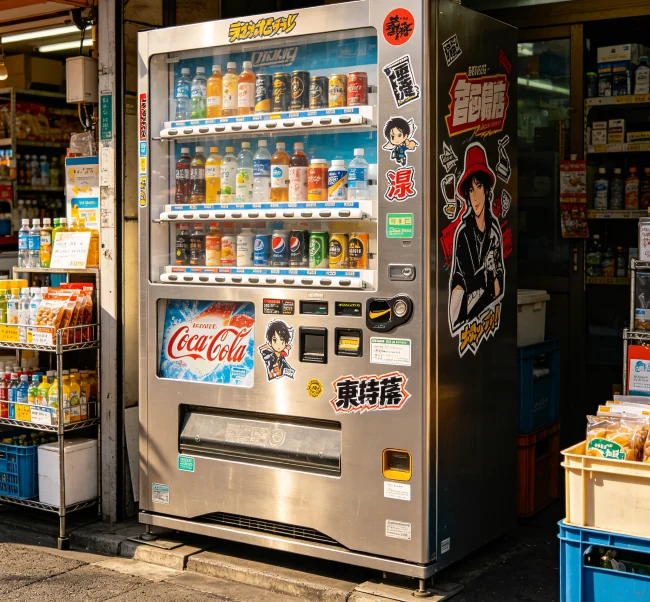
    Beyond the License: The Real Startup Cost Picture

    Honestly, the license fees are often a small part of your initial outlay. If you’re building a business plan, you need to budget for the bigger items:

  • The Machine Itself: This is your largest capital expense. A quality new machine can cost from £2,500 to £10,000+. The market on platforms like VendingCore shows a huge range, with 500+ verified manufacturers offering everything from basic snack machines to smart, connected coffee units. Leasing is a common option to reduce upfront cost.
  • Initial Stock Inventory: You need to fill the machine before it makes its first sale.
  • Location Commission/Rental: Many site owners (like factories or gyms) will ask for a percentage of sales (10-25% is common) or a fixed monthly rent.
  • Transport & Servicing: You’ll need a vehicle for restocking and a budget for routine maintenance and potential repairs.
  • When you add quality equipment, stock, and a solid location together, a well-run vending route can often see a positive ROI within 3-6 months. The license fees are just the cost of admission to the game.

    💡 Critical Info: Never skip public liability insurance. A single accident claim without it could bankrupt your new business. It’s not just sensible; it’s a fundamental requirement for any responsible operator.

    Finding the Right Machine for Your Licensed Location

    Your license type might influence the machine you choose. A council permit for a prime high-street spot justifies a high-tech, attractive machine with card payments. A simple snack machine in a staff break room has different needs.

    This is where connecting with the right supplier matters. You want a reliable machine that won’t break down and create service headaches. Many entrepreneurs use B2B platforms to compare options efficiently. For instance, on VendingCore, buyers can access a network of over 500 pre-verified manufacturers from 50+ countries, which helps in comparing specs, certifications (like CE, UKCA), and prices directly—taking some of the guesswork out of your biggest capital purchase.

    💡 Final Step: Build your budget backwards. Start with your estimated license/insurance costs (use the high end of ranges to be safe), then add your machine financing, location commission, and stock. This will give you a realistic picture of your required startup capital.
    Frequently Asked Questions (FAQ)

    A

    Yes, but usually only the free Food Business Registration. If the machine is inside a privately-owned building like a factory, office, or gym, you typically won't need a council street trading licence. However, you must still register as a food business and will almost certainly need Public Liability Insurance, often required by the property owner in your contract.

    A

    It can take several weeks to a few months. Councils have application windows, consultation periods, and committee meeting schedules. Never assume you can apply and start trading next week. Contact the council's licensing department at the earliest planning stage to understand their specific timeline.

    A

    No, it's a common misconception. A Pedlar's Certificate is only for individuals selling goods while travelling on foot from place to place. It does not cover a static vending machine, even a mobile trailer parked in one spot. For static machines, you need to follow the food registration and local council permit process.

    A

    Generally, yes. Your Food Business Registration covers your business entity and the activities you undertake. You list all your operating addresses. However, if your machines are in different local authority areas, you may need to register with each council separately for food business purposes. Each public location will also likely require its own separate street trading consent.

    A

    You could face significant penalties. Your local council's environmental health or trading standards officers can issue improvement notices, fines, or even prosecute you. In severe cases, they can seize your equipment. Operating without insurance also leaves you personally liable for any accidents, which is a massive financial risk.

    A

    Securing locations on private property is the most straightforward path. Approach businesses with many staff or visitors—warehouses, corporate offices, car dealerships, private sports clubs. You negotiate a contract directly with the owner, usually involving a commission on sales, and you typically only need the free food registration, avoiding costly public land permits.

    The most frequent mistake I see new operators make is underestimating the local regulatory layer. They budget for the machine and the stock, then get a nasty shock when the council invoice for £450 arrives. The licensing cost isn't prohibitive, but the lack of planning for it is. My advice is always to make your first call to the council's licensing team, not the machine supplier. Understand the full compliance landscape and its cost for your specific target location before spending a penny on equipment. That clarity transforms your business plan from a hopeful guess into a viable roadmap.

    Sarah Chen
    Business Compliance Advisor for Retail & Hospitality Startups

    Ready to Start Your Project?

    Contact us for professional advice and customized solutions

    Contact Now

    Asher

    Technical expert in smart vending solutions and IoT-enabled retail automation. Providing in-depth reviews and comparisons to guide businesses toward the best technology choices.

    Leave a Comment

    Your email address will not be published. Required fields are marked *

    Table of Contents
    0%
    VendingCore
    Privacy Overview

    This website uses cookies so that we can provide you with the best user experience possible. Cookie information is stored in your browser and performs functions such as recognising you when you return to our website and helping our team to understand which sections of the website you find most interesting and useful.