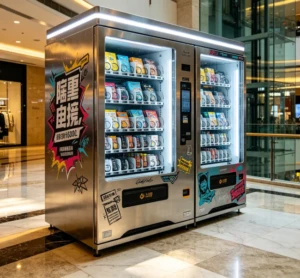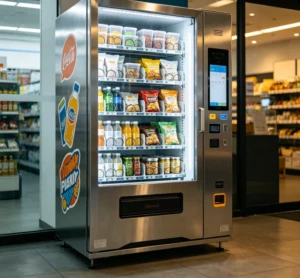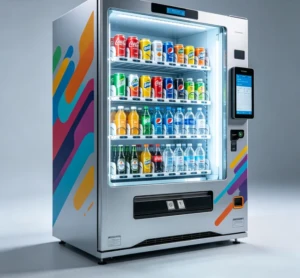
The vending machine that makes the most money is typically a smart snack and beverage combo machine in a high-traffic location, with average monthly profits ranging from $800 to $2,500+. But that’s just the headline number—the real answer is more nuanced and depends entirely on matching the right machine type to your specific location, audience, and operational strategy. Let’s cut through the hype and look at the data, the variables, and the emerging opportunities that actually determine profitability.
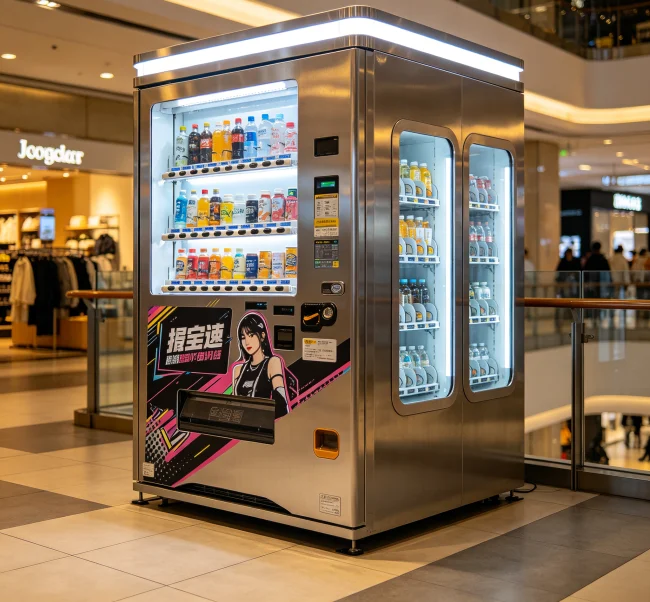
Forget the one-size-fits-all answer. Your highest-earning machine will be the one that solves a specific problem for a captive audience. A basic soda machine might crush it in a factory breakroom, while a fancy touchscreen phone case kiosk could be a goldmine in a shopping mall. Profit isn’t just about the machine; it’s about the marriage of product, place, and price.
Before we rank machine types, you need to understand the levers you can pull. The machine is just the box—these factors fill it with cash.
Location is Everything (The 80/20 Rule): Seriously, it’s that important. A mediocre machine in a phenomenal location will out-earn a fantastic machine in a poor one every time. High foot traffic is good, but captive traffic is better. Think places where people are waiting, bored, or have limited options: airports, hospitals, college dorms, office buildings, gyms, and manufacturing plants. The goal is to be the most convenient solution to a immediate need.
Product Margin & Turnover: This is your core economics. You need to balance high-margin items with high-volume sellers. Electronics accessories (like phone chargers) can have 70%+ margins but might sell 2 units a day. Bottled water might have a 40% margin but sells 50 units a day. The profit sweet spot often lies in combo machines that offer both.
Operational Costs Will Make or Break You: The purchase price is just the entry fee. You must account for:
Tech & Data Matter More Than Ever: Modern smart machines with telemetry tell you exactly what’s selling, when you’re running low, and if there’s a technical fault. This data slashes waste, optimizes your product mix, and prevents stock-outs. It turns guessing into managing.
💡 Key Takeaway: Don’t fall in love with a machine type first. Start by scouting 3-5 potential locations, then reverse-engineer the perfect machine and product mix for that specific spot.
Head-to-Head: Profitability Breakdown of Major Machine Types
Let’s get specific. Here’s how the most common contenders stack up, considering average initial investment, operational nuance, and profit potential.
| Machine Type | Avg. Initial Investment | Key Profit Drivers | Potential Monthly Net Profit | Best For / Considerations |
|---|---|---|---|---|
| Smart Snack & Beverage Combo | $4,000 – $8,000 | High foot traffic, broad appeal, dual income stream. | $800 – $2,500+ | Office buildings, factories, universities. Highest volume play. |
| Specialty Coffee / Cappuccino | $6,000 – $12,000 | High per-unit profit, consistent daily demand. | $600 – $1,800 | Office lobbies, hospitals, car dealerships. Higher maintenance. |
| Fresh Food & Refrigerated Meals | $10,000 – $20,000+ | Solves a “meal problem,” can command higher prices. | $1,000 – $3,000+ | 24/7 workplaces, airports. Complex logistics, shorter shelf-life. |
| Ice Cream / Frozen Treats | $3,500 – $7,000 | High impulse buys, excellent seasonal margins. | $400 – $1,500 | Parks, malls, entertainment centers. Very location-sensitive. |
| Phone Case / Tech Accessory Kiosk | $7,000 – $15,000 | Extremely high margin (often 70-100%), low restock frequency. | $500 – $2,000 | Malls, phone stores, campuses. Lower volume, higher ticket. |
| Healthy / Fresh Vending | $8,000 – $16,000 | Growing demand, premium pricing, corporate wellness programs. | $700 – $2,200 | Gyms, corporate HQ, yoga studios. Niche but loyal audience. |
Profit ranges assume a well-selected location and efficient operations. Your results will vary.
Notice something? The machines with the highest potential profit (fresh food, tech kiosks) also require a more specific, perfect location and often a larger upfront investment. The combo snack/drink machine is the reliable workhorse for a reason—it has the widest applicability.
💡 Practical Advice: For your first machine, consider the combo model. It’s the most forgiving to learn on, has the broadest market, and the data you gather will be invaluable for expanding into more specialized, high-margin niches later.
2026 & Beyond: The Rising Stars (Niche & Tech Opportunities)
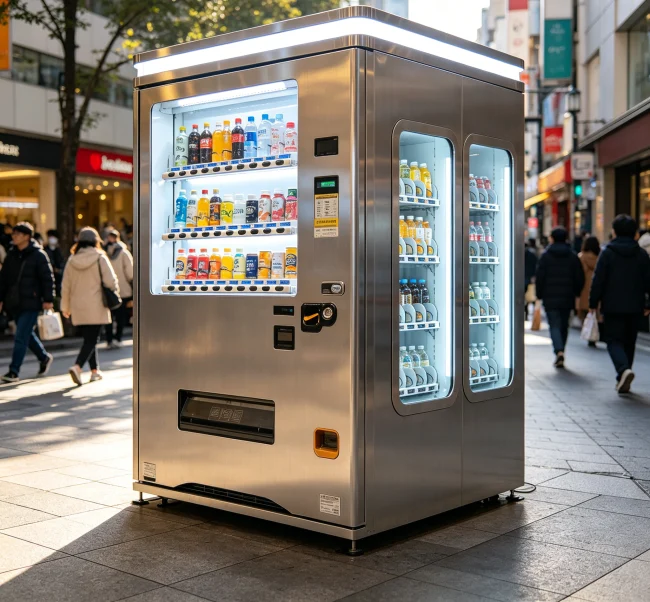
The landscape is shifting. Here’s where savvy operators are looking next for an edge.
Micro-Market Kiosks: These are less “vending machines” and more unattended convenience stores. Users grab items, scan them all at once at a self-checkout, and pay. They support a vastly wider product range (including fresh, odd-shaped items) and typically see much higher transaction values. Perfect for large office campuses or apartment complexes.
Hyper-Local & Fresh: Machines that vend locally-sourced snacks, farm-fresh milk, or ready-to-eat meals from a neighborhood restaurant. They tap into the “buy local” trend and can create a strong community connection.
Interactive & Gamified Experiences: Think claw machines with branded merchandise, or vending that incorporates a simple game for a chance to win a free item. It’s less about the product and more about the 60 seconds of entertainment—great for tourist spots and arcades.
Smart Health Stations: Beyond just healthy snacks. Machines that can dispose over-the-counter meds, first-aid kits, or even offer quick health screenings (like BMI). The B2B contract potential with large employers or insurers is significant.
💡 Critical Info: These niche models aren’t for beginners. They require deep market validation and often custom hardware. Use a platform like VendingCore to connect with manufacturers who specialize in these custom solutions, as they have the expertise to guide you.
Your Action Plan: From Zero to Your First Profitable Machine
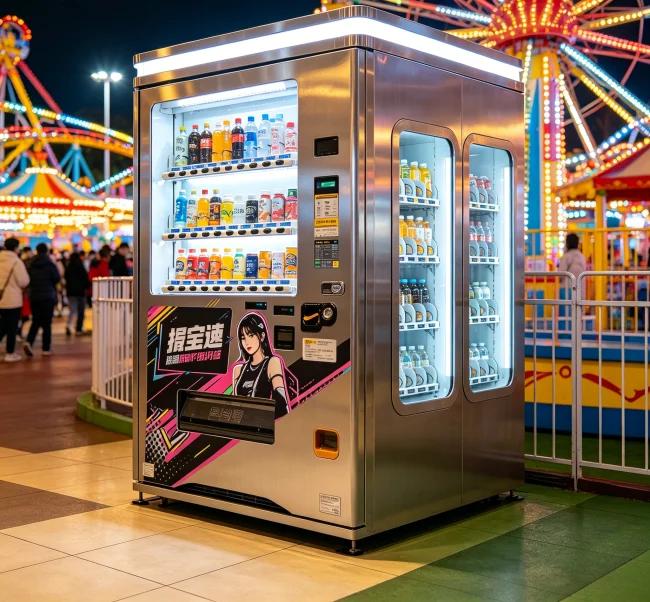
💡 Caution: The #1 mistake new operators make is underestimating operational time. That “passive income” still requires 5-10 hours a week per machine for restocking, maintenance, and financials. Factor your time into the cost.
Common Pitfalls to Avoid
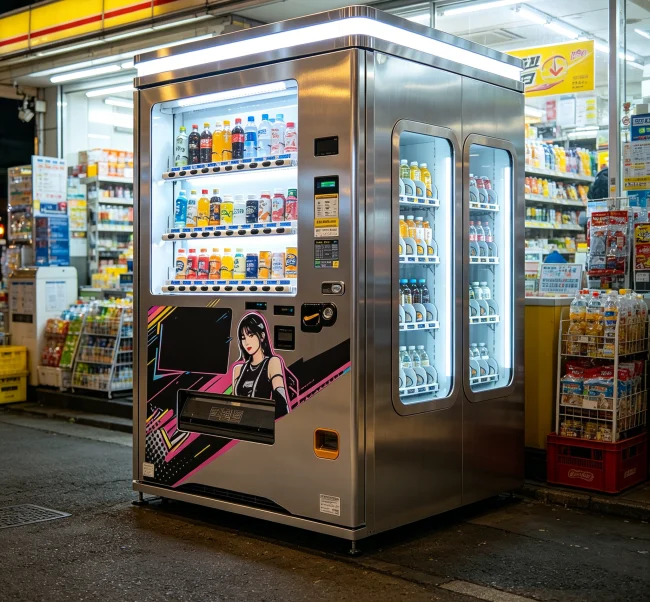
Chasing the “hottest” trend without a matching location is a fast track to losing money. Another major error is buying the cheapest machine online without verification—you’ll pay for it later in repair costs and lost sales. Don’t ignore local health department regulations or permitting requirements for food items, either. Finally, failing to track your data means you’re running a hobby, not a business.
So, what kind of vending machine makes the most money? The one that’s strategically chosen, not randomly bought. It’s the machine that fits its environment like a key in a lock, operated with attention to data and detail. Start with a solid, well-placed combo machine to learn the ropes and generate cash flow. Then, use that foundation and experience to explore the specialized, high-margin niches that can truly scale your profits.
The journey to a profitable vending business starts with research and the right partners. If you’re ready to move from theory to action, exploring a diverse range of reliable equipment is your next step. VendingCore connects you directly to a global network of over 500 verified vending machine manufacturers across 50+ countries. You can browse detailed product specifications, compare options for everything from classic snack machines to custom healthy kiosks, and submit inquiries directly to suppliers—all on one transparent platform. With a track record of facilitating 10,000+ successful business connections, it’s a practical resource to find the equipment that matches your profitability goals.