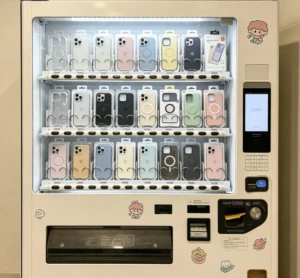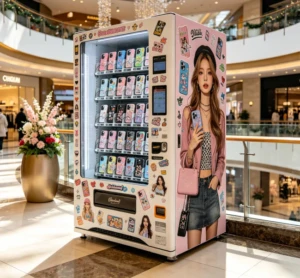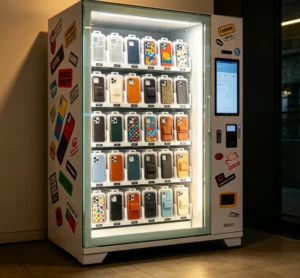
The most profitable phone case vending machine locations generate 200-400+ daily impressions with a 2-5% conversion rate, translating to 4-20 sales per day per unit. Success hinges on strategic placement where high foot traffic meets a perfect demographic match and a clear moment of need, turning casual passersby into impulse buyers. This guide moves beyond generic lists to provide data-backed location analysis, real-world negotiation tactics, and financial projections you can use to secure a profitable spot.
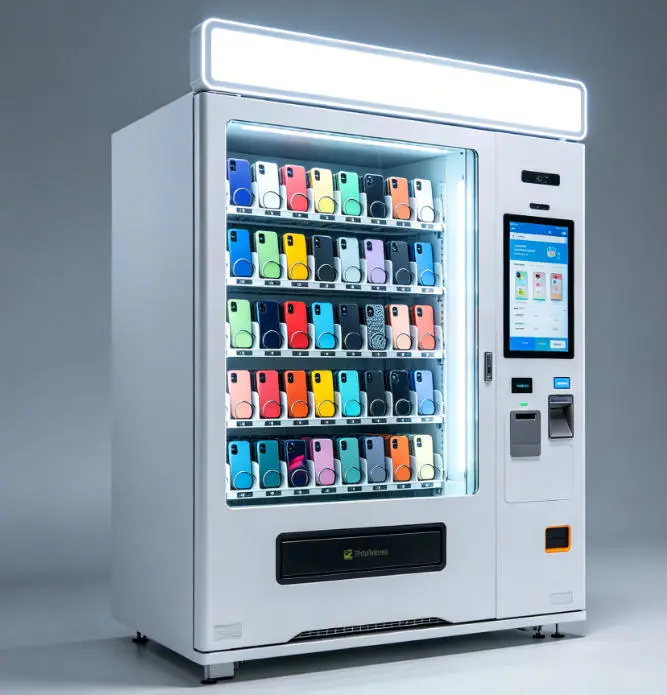
We assess locations based on four core pillars: Qualified Foot Traffic, Demographic Match, Impulse-Buy Potential, and Operational Viability. A great spot isn’t just busy; it’s busy with the right people in the right frame of mind. Qualified traffic means individuals with dwell time (waiting, browsing) and disposable income. The demographic should skew toward tech-savvy individuals aged 16-35, who view their phone as a personal accessory. The trigger is often a damaged case, a desire for personalization, or souvenir hunting. Finally, the location must allow for practical machine maintenance, restocking, and a reasonable cost structure, whether a flat rent or a revenue share agreement.
Tier 1: Prime Locations for Maximum Profit
These venues offer the strongest combination of high traffic, perfect demographics, and proven impulse-buy behavior.
Shopping Malls & Retail Centers
- Ideal Sub-Location: Directly outside major mobile carrier stores (Apple, Samsung, Verizon), near popular food court entrances, or in cinema lobby waiting areas.
- Target Demographic: Shoppers, families, teens. Traffic is often intentional with high disposable income.
- Pros: Extremely high, consistent foot traffic; a shopping mindset is already engaged.
- Cons: Can have high rental fees or aggressive revenue share demands (often 15-25%); requires a polished, high-end machine aesthetic.
- Negotiation Tip: Contact the mall’s Marketing or Leasing Department, not general management. Propose placement as an amenity that enhances customer experience.
Universities & Colleges
- Ideal Sub-Location: Student union buildings, library entrances, campus bookstore corridors, and near popular campus cafes.
- Target Demographic: Students, faculty, and campus staff. A perfect match for the phone case demographic.
- Pros: Captive audience with high device usage; strong potential for repeat business and trend-driven designs (school logos, mascots).
- Cons: Seasonal dips during holidays and summer; may require special campus vendor agreements.
- Financial Insight: A well-placed machine on a campus of 15,000+ students can achieve ROI in as little as 2-4 months during the academic year.
Airports & Transportation Hubs
- Ideal Sub-Location: Post-security departure gates (especially for long-haul flights), baggage claim waiting areas, and main terminal concourses.
- Target Demographic: Travelers with time to kill. This includes tourists seeking souvenirs and business travelers who may have forgotten or damaged a case.
- Pros: Very high dwell time and an “emergency” purchase mindset. Travelers have spending money.
- Cons: Extremely difficult and expensive to secure; contracts are often long-term and held by large concessionaires. Requires robust, reliable machines.
- Actionable Data: Studies show impulse purchase likelihood increases by over 70% in queueing or waiting environments, making airport gate areas prime real estate.
Tier 2: High-Potential Growth Locations
These spots offer excellent returns with slightly more niche or variable traffic patterns.
Entertainment Venues: Stadiums, Arenas, & Cinemas
- Ideal Sub-Location: Main concourses, near merchandise shops, or restroom queue areas.
- Why It Works: Patrons are in a leisure, spending mood. A unique, venue-themed case can be a memorable souvenir.
- Consideration: Business is heavily event-driven. Negotiate a revenue-share model that aligns with their event calendar.
Metro/Transit Stations & Bus Terminals
- Ideal Sub-Location: Paid fare zones where commuters wait, or main entrance/exit corridors.
- Why It Works: Captures daily commuters. A broken case on the way to work creates an immediate need.
- Key Factor: Security and machine durability are paramount. Partner directly with the transit authority’s advertising or retail division.
Hospital & Medical Center Main Lounges
- Ideal Sub-Location: Main waiting areas for patients and visitors.
- Why It Works: Extended, often stressful wait times create a need for distraction and retail therapy. Demographics are broad.
- Sensitivity Required: Machine design and marketing should be calm and professional. This is a relationship-based placement with facility management.
Locations to Avoid and Why
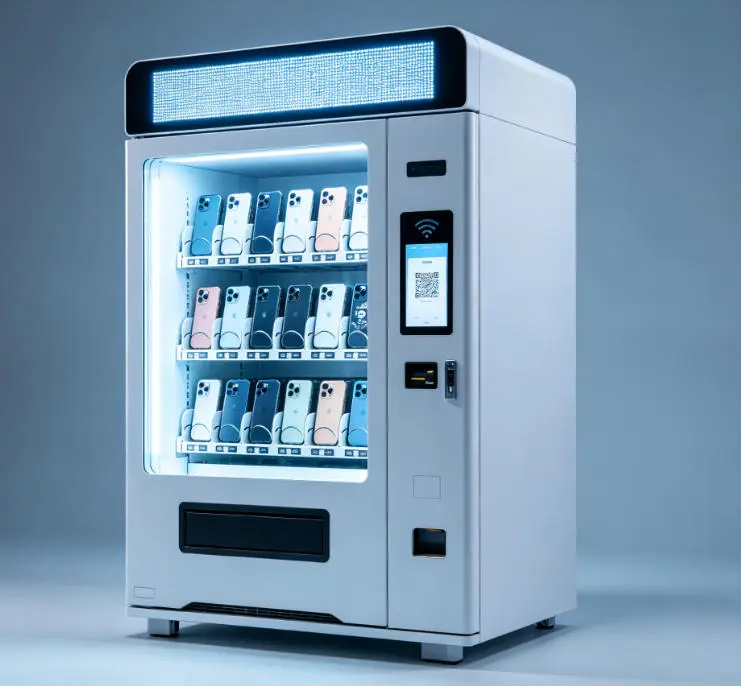
Understanding where not to place your machine is as crucial as finding a good spot. Common pitfalls include:
- Low-Dwell-Time Corridors: Hallways or passages where people walk quickly from Point A to B (e.g., certain office building corridors). No one stops.
- Demographic Mismatches: Warehouses, industrial parks, or areas with an older demographic less likely to frequently change phone accessories.
- Oversaturated Retail: Placing a machine directly inside a store that already sells a wide variety of phone cases. You become a redundant, less convenient option.
- Poorly Managed Flea Markets or Fairs: While traffic seems high, the operational hassle, lack of security, and temporary nature often lead to poor net returns.
- Standalone Kiosks in Low-Traffic Plazas: Without the anchor traffic of a larger venue, these units often fail to generate consistent impressions.
How to Secure Your Spot: A 5-Step Action Plan
- Research & Target: Identify 3-5 potential venues in your area. Visit them at different times to count foot traffic and observe demographics.
- Find the Right Contact: Do not call the general number. Use LinkedIn or the venue’s website to find the Director of Retail Leasing, Marketing Manager, or Operations Manager.
- Prepare Your Pitch: Frame your machine as a value-adding amenity that enhances customer experience and provides incremental revenue for them. Have a professional one-page proposal ready.
- Understand the Cost Models: Be prepared to negotiate either a flat monthly rent (easier budgeting) or a revenue share percentage (lower risk, aligns interests). Know your break-even point for each model.
- Formalize the Agreement: Ensure you have a clear contract covering lease term, maintenance responsibilities, insurance requirements, and the revenue reporting/payment process.
Financial Projections: What to Realistically Expect
The table below outlines simplified monthly estimates. Your actual numbers will vary based on exact location, pricing, and foot traffic.
| Location Type | Estimated Avg. Daily Foot Traffic Past Machine | Estimated Conversion Rate | Avg. Sale Price | Projected Monthly Gross Revenue |
|---|---|---|---|---|
| University Student Union | 1,500 | 3% | $25 | $3,375 |
| Regional Mall (near phone store) | 2,000 | 2.5% | $30 | $4,500 |
| Metro Station (paid area) | 3,000 | 1.5% | $22 | $2,970 |
Projection: (Daily Traffic × Conversion Rate × Sale Price × 30 days). Assumes consistent traffic 30 days/month. Deduct cost of goods sold (typically 30-40%), location rent/share, and minor maintenance for net profit.
With a well-sourced machine and a prime location, a well-run phone case vending business can see a full return on investment in a 3-6 month timeframe. This is where partnering with the right supplier becomes critical. Through platforms like VendingCore, which connects buyers with a network of over 500 verified manufacturers, entrepreneurs can access competitive pricing that is typically 15-30% lower than single-supplier quotes. This direct access to a global supply network across 50+ countries not only improves your upfront ROI calculation but also ensures you get a reliable machine with proper certifications (CE, UKCA, RoHS) that can withstand high-volume use.
FAQ: Phone Case Vending Machine Placement
How much does it cost to lease a spot for a vending machine?
Costs vary wildly. In a prime mall, expect either a high flat rent ($300-$800+/month) or a revenue share of 15-25%. On a university campus, it might be a lower flat fee or a smaller share (10-15%). Always negotiate based on projected traffic.
What type of phone case vending machine is most reliable for high-traffic areas?
Look for commercial-grade machines with robust mechanical components, high-capacity inventory (150+ cases), reliable payment systems (cashless + cash), and remote monitoring capabilities. This is where a platform with a wide network shines—you can compare technical specs and reliability histories from multiple manufacturers to find the workhorse unit for your specific need.
How do I stock and maintain machines in multiple locations?
Start with one or two locations to refine your process. Restocking is typically needed 1-2 times per week for prime spots. Choose a machine with easy front-loading access. For maintenance, select a supplier or platform partner that offers accessible technical support and spare parts, minimizing your downtime—a key factor in protecting profitability.
Can I really make money with a phone case vending machine?
Yes, with the critical caveat of location. A machine in a poorly chosen spot will struggle. A machine in a Tier 1 location, stocked with on-trend designs, and sourced cost-effectively (leveraging competitive platforms to reduce capital expenditure) has a strong proven pathway to profitability, as evidenced by thousands of successful operations globally.