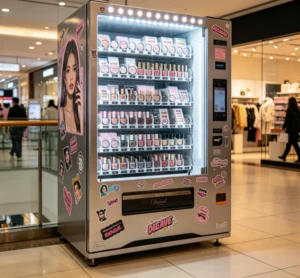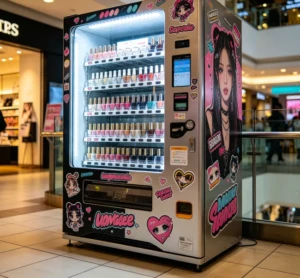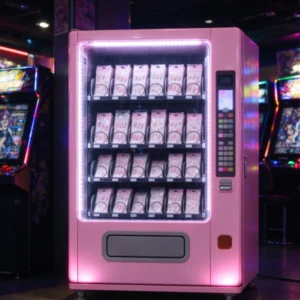
The nail vending machine market is projected for strong 12-15% CAGR growth toward 2026, driven by beauty tech, demand for convenience, and sustainable, low-touch retail models.
If you're wondering whether this niche is a fleeting trend or a solid business bet, you're right to be cautious. The good news is, the data shows real staying power. This article cuts through the hype to give you a data-driven 2026 forecast, revealing the specific tech and product trends that will separate profitable operators from the rest. You'll get a clear regional breakdown for maximizing ROI and practical steps to avoid common pitfalls, so you can make an informed decision with confidence.
The beauty retail landscape is being reshaped by a powerful convergence: the demand for instant gratification, the rise of beauty tech, and the search for resilient, low-touch business models post-pandemic. This perfect storm has propelled the niche of nail vending machines from a novelty to a serious market segment with a compelling growth trajectory toward 2026. For entrepreneurs and investors, understanding the specific trends, technological drivers, and regional opportunities is key to capitalizing on this strategic window.
The global nail vending machine market is projected to experience a robust compound annual growth rate (CAGR) of approximately 12-15% leading into 2026, significantly outpacing the broader vending industry. This growth is fueled by several interconnected drivers. First, the “TikTok effect” has mainstreamed at-home beauty treatments, with press-on nails and nail art kits becoming viral sensations. Second, consumers increasingly seek hyper-convenient, 24/7 retail experiences, especially in high-foot-traffic locations like airports, universities, and shopping malls. Third, for operators, these machines represent a relatively low-CAPEX, high-margin business with minimal staffing requirements, a compelling proposition in a tight labor market. The market is moving beyond simple press-on nail dispensers to encompass a wider range of beauty solutions.
💡 Market Entry Tip: Don’t just look at the overall growth rate. Focus your initial research on specific high-traffic locations in your target region to validate local demand before investing.
Beyond Press-On: 3 Emerging Product Trends for 2026
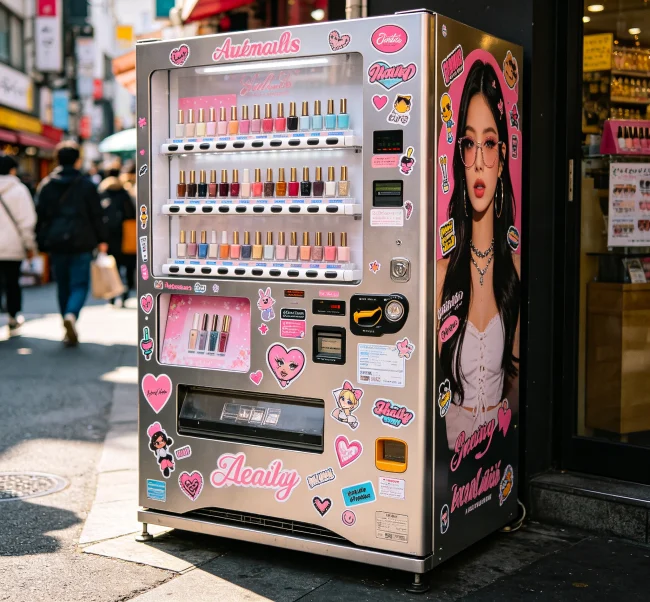
By 2026, the product mix within nail vending will diversify significantly. The first trend is Nail Health & Diagnostics. Machines will offer not just aesthetics but wellness, vending nail-strengthening treatments, cuticle oils, and even offering simple diagnostic scans (via integrated cameras) to analyze nail health, recommending specific products. The second is Eco-Conscious & Sustainable Kits. As consumer awareness grows, demand will surge for kits using biodegradable packaging, vegan and cruelty-free polishes, and reusable nail art components. The third trend is Limited-Edition & Creator Collaborations. Leveraging IoT connectivity, machines can offer exclusive, location or event-specific kits designed in collaboration with popular nail artists or beauty influencers, creating a sense of urgency and collectibility.
💡 Product Strategy Insight: To future-proof your inventory, prioritize suppliers who offer customizable, sustainable product lines and can facilitate small-batch, exclusive collaborations to keep your offerings fresh.
The Technology Powering the Future: AI, IoT, and Hyper-Personalization
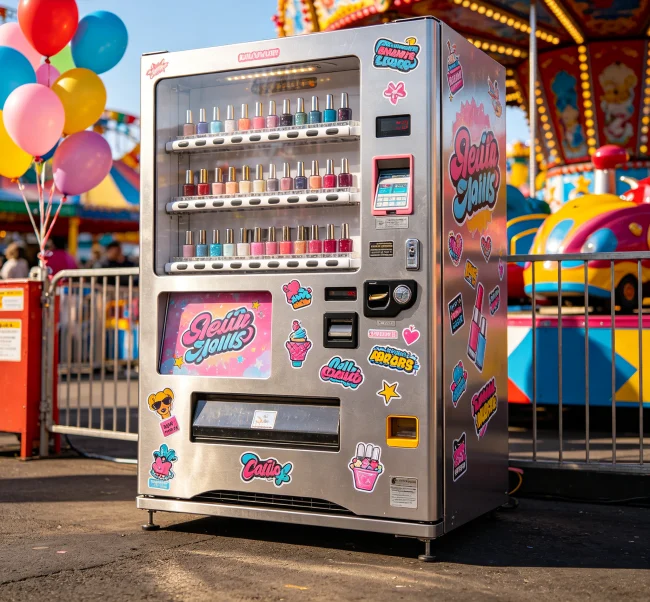
The hardware is becoming smarter. Artificial Intelligence (AI) will be used for dynamic pricing, optimizing product recommendations based on time of day or local events, and even analyzing facial expressions (via anonymized data) to gauge customer interest. Internet of Things (IoT) connectivity is non-negotiable for 2026, enabling real-time inventory management, remote diagnostics to prevent downtime, and cashless payment integration. The ultimate goal is hyper-personalization. Imagine a machine where a user can take a selfie, virtually try on different nail designs using augmented reality, and then receive a custom-printed wrap or a curated kit matching their selection—all in under two minutes.
Profitability Deep Dive: A Regional Analysis for Placement & ROI
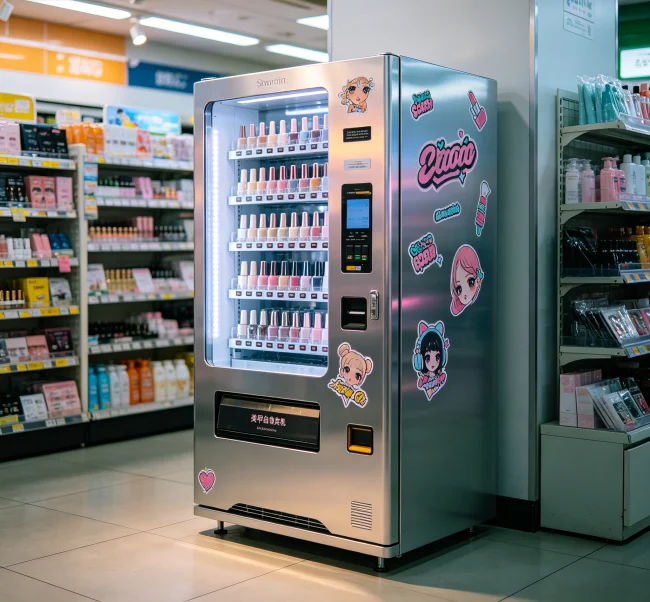
Profitability is highly location-dependent. A one-size-fits-all approach will fail. The key is matching machine type and product mix to regional demographics and foot traffic patterns. For instance, a machine in a Tokyo subway station might succeed with compact, trendy press-on kits, while one in a Los Angeles wellness spa should focus on organic nail care products. When sourcing machines, working with a platform that connects you directly to a global network of manufacturers, like vendingcore.com, is crucial. They aggregate 500+ quality manufacturers, allowing you to compare specs, certifications (CE, UKCA), and pricing without intermediary markups, directly impacting your bottom line.
💡 ROI Maximizer: Negotiate placement deals based on a percentage of sales, not just a fixed rent. This aligns your costs with revenue and is more appealing to location owners, especially in prime spots.
The table below provides a simplified regional comparison for strategic planning:
| Region | High-Potential Locations | Avg. Transaction Value Trend | Key Consumer Driver |
|---|---|---|---|
| North America | College campuses, major airports, boutique fitness studios | $22 – $35 | Convenience & novelty; influencer-driven trends |
| Europe | Central train stations, fashion retail districts, airports | €18 – €30 | Sustainability focus; demand for premium/branded kits |
| APAC | Subway stations (Japan, S. Korea), mega-malls (SE Asia), tech parks | $15 – $25 (converted) | Tech integration; K-beauty/C-beauty trends; hyper-convenience |
Challenges & Risk Mitigation: Supply Chain, Regulations, and Consumer Fatigue
Acknowledging risks separates savvy investors from gamblers. Supply Chain Fragility is a major concern. Relying on a single supplier for proprietary nail cartridges can be catastrophic. Mitigate this by partnering with platforms that offer access to multiple certified manufacturers with standardized connections, ensuring inventory continuity. Regulatory Hurdles may emerge regarding hygiene standards for cosmetic vending, packaging waste, and mall kiosk permits. Proactively seek machines and products that comply with international safety standards. Finally, Consumer Fatigue with low-quality, generic products is a real threat. The solution is continuous innovation in product offerings and leveraging technology for a personalized experience, as previously discussed.
💡 Risk Avoidance Strategy: Before signing any supplier contract, verify their after-sales support network in your region. A machine down for weeks kills profitability. Platforms with global service coverage can be a lifeline.
How to Build a Scalable Inventory Management System
A common pitfall for new operators is poor inventory management, leading to stockouts of popular items and capital tied up in slow-moving products. Your vending machine’s IoT software should provide real-time sales data. Use this to identify top-performing SKUs by location and season. Establish a just-in-time restocking rhythm with your supplier. For operators using a platform like vendingcore.com, the efficient connection system can streamline reorders, as you can quickly source from alternative manufacturers within the network if your primary supplier has a backlog, ensuring your machines are never empty during peak sales periods.
The Critical Role of Machine Aesthetics and UX Design
In 2026, the machine itself is a marketing tool. A sleek, modern, and hygienic-looking design attracts customers and reassures them about product quality. User experience (UX) is paramount. The touchscreen interface must be intuitive, with large buttons, clear instructions, and a payment process completed in under 60 seconds. Lighting is crucial—bright enough to see product colors accurately, but flattering for the customer trying a virtual try-on. Consider machines with customizable digital skins to align with holidays, local events, or sponsor partnerships, turning the unit into a dynamic advertising space.
💡 Design Decision: Never sacrifice user interface simplicity for flashy features. Test the purchase flow with people unfamiliar with the machine. If they can’t buy a product in under 90 seconds without help, redesign is needed.
Actionable Steps: How to Position Your Business for the 2026 Market
The nail vending machine market presents a genuine strategic opportunity leading into 2026, but success will favor the prepared and sophisticated operator. It will no longer be enough to simply place a machine; winners will leverage technology, data, sustainable practices, and strategic supplier partnerships to create a differentiated and resilient business. The convergence of beauty, tech, and convenience is creating a new retail channel, and the time to build your position is now.