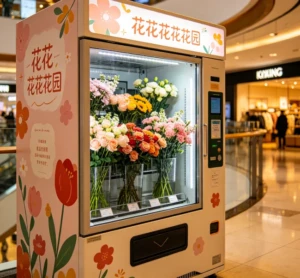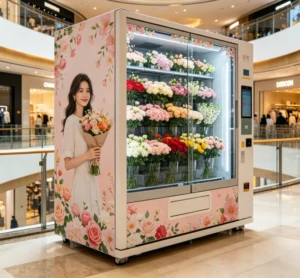
Most operators put how long to break even with a flower vending machine at 12 to 24 months, and a handful with the right location get there in eight. If you’re starting in 2026, expect the break-even range to hover in that zone: closer to a year in a hospital lobby or transit hub, over two years in a side corridor. The machine itself doesn’t decide the timeline. Foot traffic, rent, flower cost, and your restocking rhythm do. So before you sign anything, run the same model operators actually use.
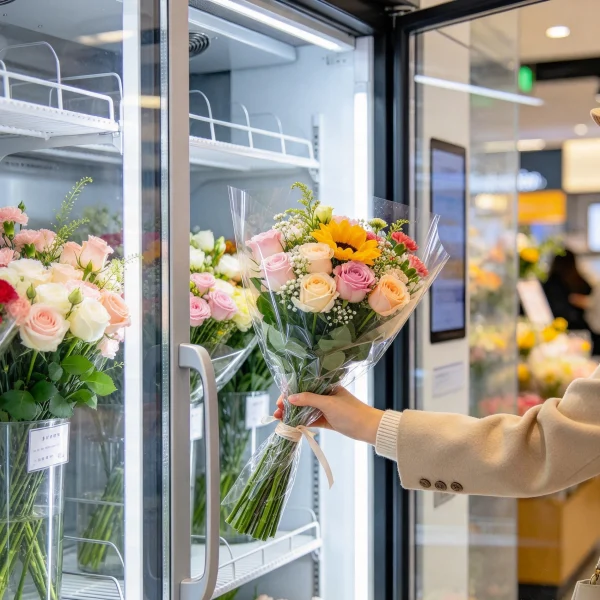
What Actually Moves Your Break-Even Date
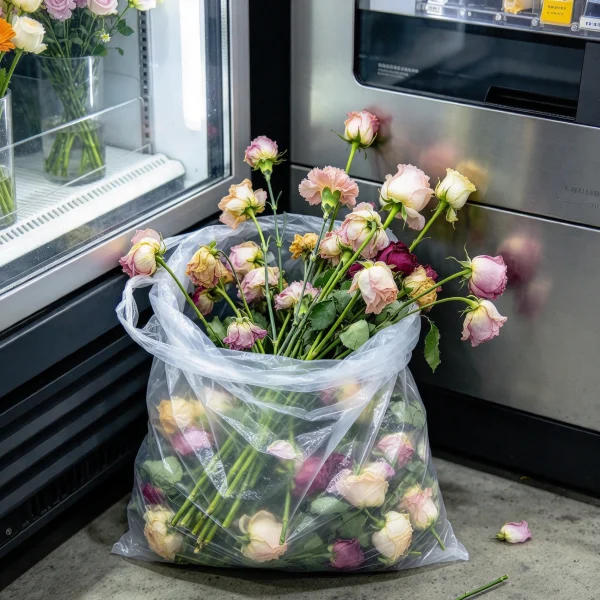
The math is simple: total startup cost divided by average monthly net profit. The forecast is where people get burned. Flowers carry high gross margins, usually 60 to 80 percent, but they also wilt, bruise, and turn brown if the compressor hiccups. Treat every revenue projection as unfinished until you build in spoilage.
Location is the single biggest lever. Hospitals, metro stations, and grocery entrances convert well because someone always needs a gift on the spot. Mall entrance corridors work too, but only when enough bodies actually pass by. Rent can change the whole equation, a great spot at $700 a month is vastly different from a so-so spot at $300.
Here’s a realistic model based on what small operators have been reporting over the past couple of years. It assumes flowers cost around 25 percent of retail after waste, restocking happens twice a week, and rent lands at typical rates for each location.
| Location type | Machine and setup cost | Monthly revenue | Monthly profit after costs | Payback period |
|---|---|---|---|---|
| Busy transit hub | $24,000 | $4,200 | $1,650 | 15 months |
| Mid-size mall entrance | $18,000 | $2,500 | $900 | 20 months |
| Quiet office lobby | $14,000 | $1,100 | $330 | 42 months |
Watch how the low-traffic row barely pencils out. That’s not pessimism; it’s arithmetic. At $300 a month profit, a single repair or a slow February adds three months to your payback. Most operators I’ve met would rather wait for the right spot than sign a cheap lease in a dead one.
The Costs People Forget to Add to the Payback Equation
Machine price is the obvious piece. Everything else is where timelines stretch. Restocking labor eats more than you’d think, every bouquet needs rotating, dead stems need pulling, and the glass needs cleaning. Card fees run 2 to 4 percent. Location rent, electric, and a service contract all chip away in ways that are easy to skip in a spreadsheet.
Here’s the list that catches people:
- Spoilage, set aside 5 to 10 percent of flower cost for unsold bundles.
- Restocking trips, count fuel and your own time.
- Payment processing, usually 2 to 4 percent per sale.
- Machine insurance and occasional parts.
If you’re starting on a lean budget, a new refrigerated machine may not be the move. This breakdown of the best business to start with $5,000 lists a few lower-capital ideas that don’t tie you to heavy equipment.
How to Move Your Break-Even Date Closer
You can’t control foot traffic, but you can control everything around it. Price flowers to local norms, people buy for convenience, and a $12 mini-bouquet beats a $19 one in most grocery settings. Restock late afternoon so the rows are full for the commute home. Watch your sales by day of week and by flower type, and don’t get sentimental about losers.
Placement rules from other impulse categories point the same way. Our guide on where to put phone case vending machines in shopping malls shows why an entrance or anchor store path beats a side hallway. Flowers are an impulse, so they need eyeballs, not distant foot traffic.
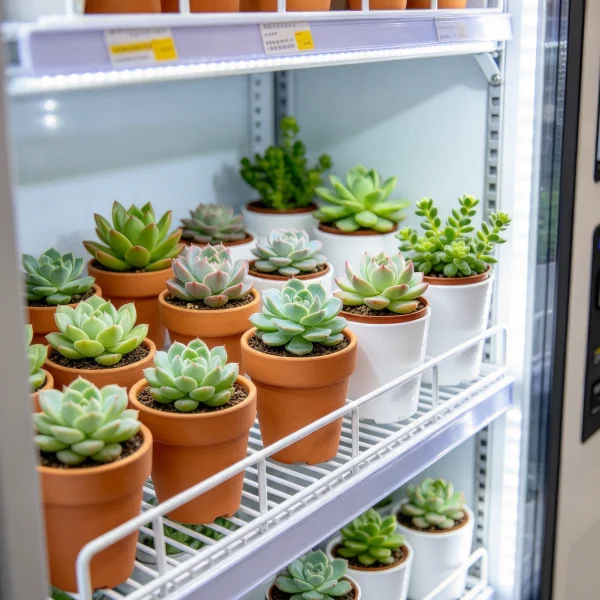
Product choice also changes the math. Mixed bouquets and short-stemmed bundles make people spend less and buy more often. Adding small succulents in pots can create repeat sales from people who want something that lasts longer than cut flowers.
How to Choose a Supplier Without Overpaying
You’re already betting on the location, so don’t gamble on the hardware. Look for a stainless steel body, removable shelves, and a refrigeration unit you can actually reach for cleaning. Ask about the compressor warranty and where to get spare parts five years from now. Reading buyer reviews from small operators is worth more than any brochure. On VendingCore’s supplier ranking, you can compare verified suppliers, read buyer reviews, and send inquiries directly.
So, What’s the Realistic Answer?
For most small operators, the break-even point lands somewhere between 12 and 20 months, with a few hitting eight and a few stretching past three years. If you find a hospital lobby or a station with steady foot traffic, a well-run machine can pay for itself in 15 months or less.
Once the machine is paid off, every sale starts going into your pocket or a reserve for the next unit. Keep at least three months of operating expenses in the bank, because flower sales tank on dead weekdays and the day after a holiday. Then add a second machine at a similar location before you split time between two bad ones.
Still weighing options? Our updated ranking of the most profitable vending machines puts this flower data next to other categories so you can compare routes side by side. And when you’re ready to buy, the supplier ranking on VendingCore is a good starting point for checking real requirements and reviews.
I’ve watched operators hit a 10-month payback in one hospital lobby while a friend of mine struggled through year two in a strip mall entrance. The machine is almost never the bottleneck. It’s the intersection of foot traffic, impulse spending, and how fast you respond to spoilage. If you can’t restock in less than 48 hours, this model will bleed you. But operators who track sales weekly and move machines when they stall usually see their first payback before the second-year mark. Flower vending rewards patience and ruthless removal of dead inventory. You need a high-traffic spot with enough margin to cover rent, and you need to be willing to move the machine if four consecutive weeks decline.
FAQ
How many months until a flower vending machine breaks even?
Most first-time operators see 12 to 24 months. If the machine sits in a hospital or transit hub with steady sales, 15 months is realistic. A weak location or heavy machine cost can stretch it past 30 months. The timeline is really a location test.
How much monthly profit does a flower vending machine make?
After flowers, rent, restocking, and fees, many single machines net $500 to $1,500 a month. High-traffic units can clear $2,000, but don’t expect that from day one. Your first few months tell you if the spot sustains impulse sales.
What is the cheapest flower vending machine you can start with?
Used or refurbished units show up around $6,000 to $12,000, plus delivery and setup. New mid-range machines run $14,000 to $20,000. A cheaper machine can make sense, but only if you can get parts and service locally.
Which flowers should a vending machine sell?
Roses, tulips, sunflowers, and mixed short bundles sell well. Long-stemmed roses look premium but spoil faster. Potted succulents and small houseplants give you a low-waste product that holds for weeks.
What location makes a flower vending machine profitable fastest?
Hospital lobbies, commuter stations, grocery entrances, and event venues are the usual winners. The key is impulse demand with limited competition. A corridor with lots of foot traffic but no gift shop nearby beats a busier area where everyone ignores it.
Do I need a special business license for a flower vending machine?
Most cities require a general business license and a vendor or retail permit. Some also apply food safety rules because the machine is refrigerated, even though flowers aren’t food. Check with your local clerk and health department before ordering.