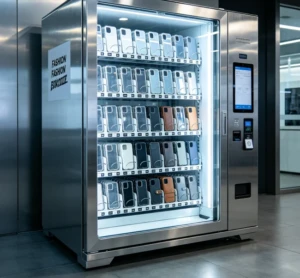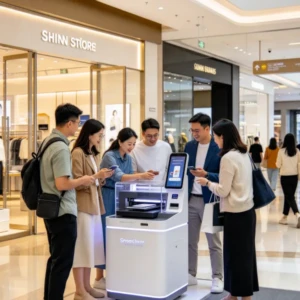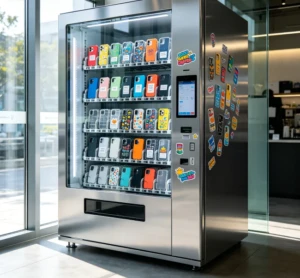
Phone case printing vending machines can generate an average net profit margin of 40-60%, with a typical ROI period of 2-4 months in a well-placed location. This business model capitalizes on the instant gratification of personalized products, turning foot traffic into direct sales with minimal daily oversight. The core profitability hinges on a simple equation: high-margin custom prints from a low-cost base of blank cases, but the real numbers depend on your execution of location, machine choice, and operational savvy.
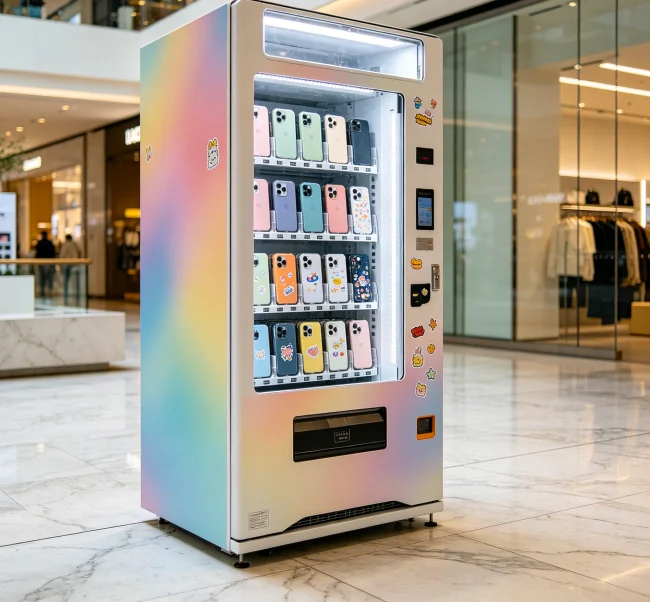
The Profitability Equation: Revenue vs. Costs
To move beyond estimates, you need to dissect the real financials. Profit isn’t just about selling cases; it’s about managing the gap between what you earn and what it costs to operate.
Revenue is a function of foot traffic, conversion rate, and average selling price. Let’s break it down with practical scenarios. A machine in a decent urban mall might see 200-300 people pass by daily. A conversion rate of 1-2% is realistic for impulse purchases. With an average custom case selling for $25-$35, the math becomes clear.
| Location Scenario | Estimated Daily Foot Traffic | Conservative Conversion Rate (1%) | Average Sale Price | Potential Daily Revenue |
|---|---|---|---|---|
| University Student Union | 500 | 5 sales | $28 | $140 |
| Regional Shopping Mall | 800 | 8 sales | $30 | $240 |
| Metro Airport Terminal | 1200 | 12 sales | $35 | $420 |
Monthly revenue can realistically range from $3,000 to over $10,000. The upper end requires prime, high-traffic venues and a machine that’s reliable and engaging enough to convert browsers into buyers.
Detailed Cost Breakdown
Your costs fall into two buckets: initial investment and ongoing operational expenses. Underestimating either will skew your profit projections.
Initial Investment (CAPEX): This is your biggest outlay. A new commercial-grade phone case printing vending machine typically costs between $12,000 and $25,000. The price varies significantly based on brand, print technology (DTG vs. sublimation), speed, and durability. A used machine can be $6,000-$15,000 but may carry higher maintenance risks. You must also budget for installation, initial inventory of 200-500 blank cases in various models and colors, and any location security deposits.
Operational Costs (OPEX): These are your monthly outflows:
- Blank Cases: Your largest recurring cost. Bulk wholesale prices range from $2 to $6 per case, depending on quality and model.
- Location Rent/Commission: This is critical. Landlords may charge a flat monthly fee ($200-$800) or a revenue share (10-25%). Airport or premier mall spots command higher fees.
- Consumables: Printer ink, sublimation paper, and protective coating.
- Utilities & Connectivity: Power usage is low, and a cellular data plan for credit card processing and remote monitoring is essential.
- Maintenance Fund: Setting aside 5-10% of revenue for routine servicing and unexpected repairs is prudent.
- Marketing/Promotions: Budget for launch promotions or social media ads to drive initial traffic.
Calculating Net Profit Margin
Let’s use a conservative monthly example. Assume $5,000 in revenue. Your costs might be: $1,250 for blanks (250 cases at $5), $500 for location rent, $200 for consumables and connectivity, and $250 for your maintenance fund. Total OPEX = $2,200. That leaves a gross operating profit of $2,800. After accounting for the monthly amortization of your machine investment (e.g., $400/month if spread over 30 months), your net profit lands around $2,400. That’s a 48% net margin in this scenario. Higher revenue venues dramatically improve this figure, as many costs are relatively fixed.
Critical Factors That Make or Break Profit
Financial models are just spreadsheets without perfect execution. Your success depends on three pillars.
1. Location: The Non-Negotiable Foundation
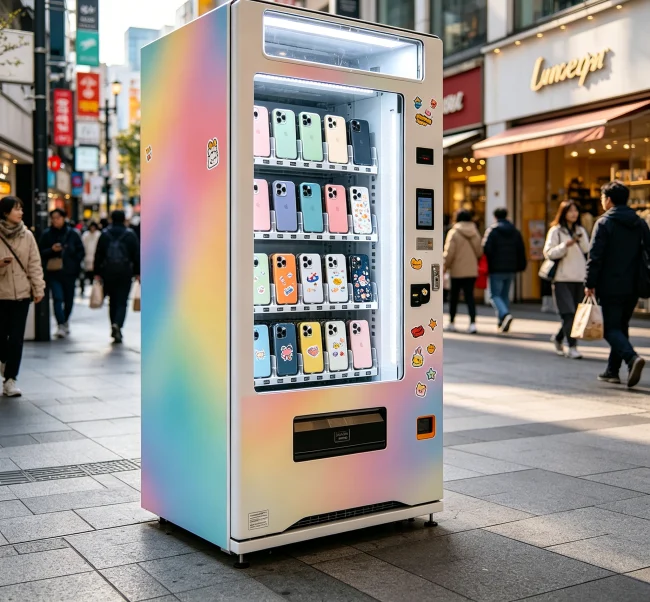
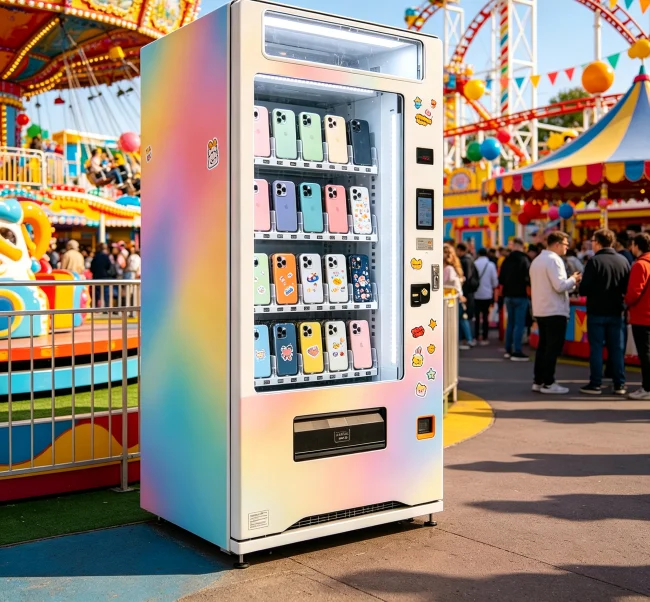
Forget just “malls.” Think about captive audiences with time and a desire for personalization. Top-tier locations include airports (especially domestic terminals), large university campuses, popular amusement parks, and major convention centers. The next tier includes trendy bowling alleys, movie theater complexes, and large fitness centers. The key is dwell time and demographic fit. A platform like VendingCore leverages its network across 50+ countries to provide clients with localized insights on venue partnerships and traffic patterns, which is invaluable for market entry.
2. Machine Choice: Reliability is Revenue
Your machine is your employee. Downtime is lost money. Key considerations:
- Print Technology: Dye-Sublimation offers vibrant, full-wrap prints but can be slower. Direct-to-Garment (DTG) style printers are fast for image-based designs but may have limitations on case coverage.
- Software & UX: The customer interface must be intuitive. Cloud-based management software that allows you to upload new designs, monitor sales, and receive error alerts remotely is crucial.
- Build Quality: It must withstand public use. Look for robust payment systems, secure casing, and reliable mechanical components.
This is where supplier choice matters immensely. Working with a single manufacturer can limit options and pricing power. Through the VendingCore platform, buyers can compare technical specs, pricing, and after-sales support from over 500 verified manufacturers, often securing 15-30% better value through competitive quotes. This due diligence directly impacts your machine’s uptime and long-term profitability.
3. Operational Savvy: The Hidden Multiplier
This is the gap in most guides. Profit is optimized by managing what happens between sales.
- Inventory Management: You must dynamically stock the blank case models (iPhone, Samsung, Google) and colors that sell. A remote inventory monitoring system prevents stock-outs of popular items.
- Proactive Maintenance: Don’t wait for breakdowns. Schedule weekly checks of print heads, paper feeders, and the case dispensing mechanism via your service contract or your own routine.
- Design Library: Constantly refresh your offered designs. Tie them to local sports teams, trending memes, or holidays to encourage repeat use and social sharing.
The Hidden Costs & Challenges
Building trust requires transparency about the hurdles. Machine vandalism or technical glitches can halt income. Printer alignment issues can ruin cases, leading to refunds and wasted inventory. You are also at the mercy of your location’s foot traffic, which can be seasonal. Furthermore, phone models change annually, requiring constant updates to your blank case inventory—obsolete cases are a direct loss. A platform with a track record of 10,000+ transactions, like VendingCore, provides access to manufacturers who understand these operational realities and design machines to mitigate them, contributing to the 98% customer satisfaction rate they report.
Step-by-Step Startup Checklist
- Validate Your Market: Physically scout potential locations, count foot traffic, and speak to venue managers.
- Secure Financing: Budget for machine, installation, 3-6 months of operational costs, and a contingency fund.
- Select & Procure Your Machine: This is your core asset. Don’t just buy the cheapest option. Compare multiple suppliers for the best total value in reliability, software, and support.
- Negotiate a Location Agreement: Get terms in writing—rent, lease length, maintenance access, and marketing cooperation.
- Set Up Operations: Install machine, stock inventory, set up cloud monitoring, and establish a relationship with a local technician.
- Launch & Market: Run opening promotions, leverage social media, and use signage to attract initial users.
- Monitor & Optimize: Analyze sales data daily, adjust inventory, refresh designs, and be prepared to troubleshoot.
FAQs
Q: What is the realistic monthly net profit for one machine?
A: In a good location, a single machine can net between $1,500 and $4,000 per month after all operational costs and accounting for machine financing. Exceptional locations can exceed this.
Q: How much time does it take to manage per week?
A> With a reliable machine and cloud software, expect 2-5 hours per week for remote monitoring, inventory restocking, design updates, and reviewing financials. Physical maintenance visits may add a few hours every month or two.
Q: Are there any ongoing fees or licenses?
A> Yes. Beyond location rent, you’ll have payment processing fees (2-4% per transaction), software subscription fees for machine management, business licensing in your locality, and potential sales tax collection responsibilities.
Q: How do I source blank cases affordably?
A> Building a relationship with a wholesale supplier or buying in bulk from B2B platforms is key. Per-unit cost drops significantly with volume. Some vending machine manufacturers offer integrated supply chains for consumables.
Q: Is this a good passive income business?
A> It’s more accurate to call it a “semi-passive” or “residual income” business. It requires active management for marketing, inventory, and maintenance, but not constant, on-site presence like a retail store. The initial setup and ongoing optimization require significant work.
Q: Where can I find reliable suppliers for these machines?
A> Conducting thorough supplier due diligence is critical for long-term success. Many entrepreneurs use global B2B platforms like VendingCore to streamline this process. Such platforms connect you with a vetted network of manufacturers, allowing for side-by-side comparison of machine specs, pricing, and warranty terms. This approach mitigates the risk of partnering with a single, unproven supplier and leverages collective buying power for better value, which directly protects your profitability.