
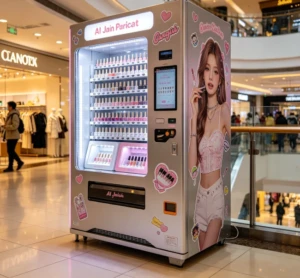
Choose a nail vending machine location by targeting areas with high dwell time and a demographic match (e.g., young women), using a 5-criteria scoring system for foot traffic, visibility, and safety to secure a profitable spot.
You're probably worried about picking a dud location and losing money—it's the biggest fear for new operators. This guide gives you the exact steps and real-world data to make a confident choice, turning guesswork into a strategic plan. You'll learn how to spot golden opportunities, negotiate like a pro, and avoid the common traps that sink new ventures.
Choosing the right location for your nail vending machine is the single most critical factor that separates a profitable venture from a costly mistake. While the allure of easy passive income is strong, success hinges on a strategic, data-driven approach to site selection that goes far beyond simply finding a spot with people.
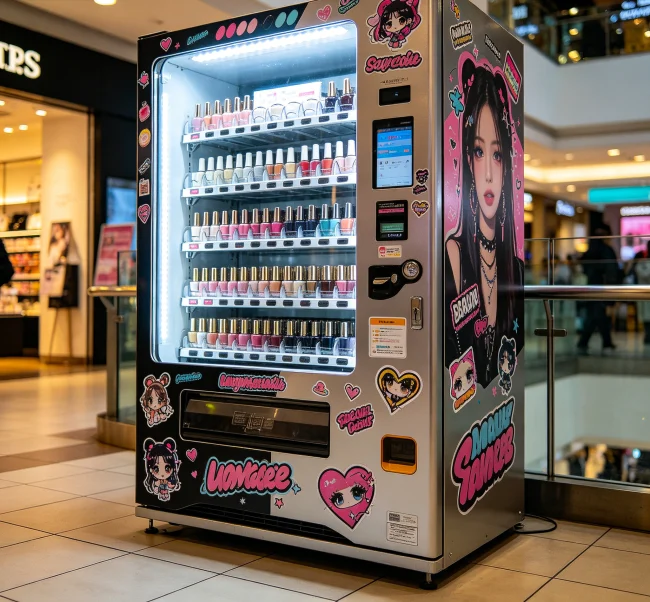
Unlike traditional vending for snacks or drinks, nail art vending targets a specific impulse purchase driven by emotion, boredom, and opportunity. The product is not a necessity but a spontaneous treat. Therefore, the environment must foster that “I want it now” feeling. A prime location does more than generate foot traffic; it captures the right kind of traffic—individuals with disposable income, time to spare, and a propensity for beauty-related purchases. A poor location, even with a fantastic machine, will struggle to achieve the necessary sales volume to cover costs, let alone turn a profit. This decision impacts your customer acquisition cost, average transaction value, and ultimately, your return on investment.
💡 Mindset Shift: Stop looking for “a location.” Start scouting for “captive audiences” in environments where your target customer is already in a spending mood and has time to browse.
Step 1: Define Your Ideal Nail Art Customer
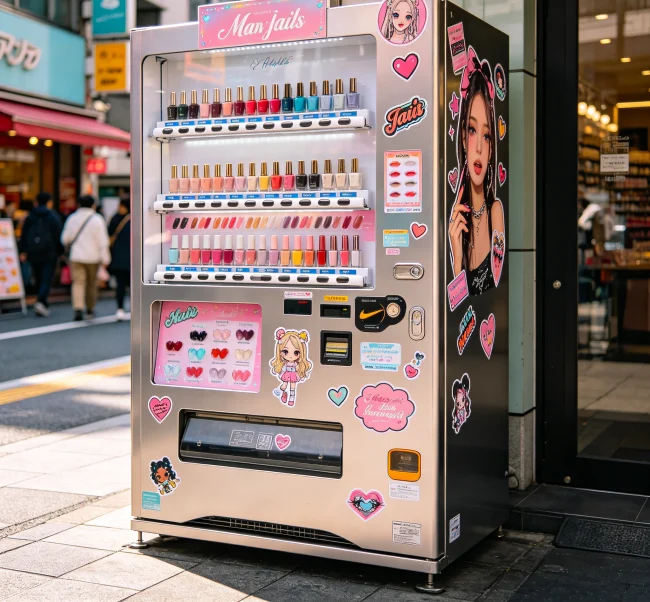
Before you scout a single location, you must know who you’re selling to. The “nail art buyer” persona is typically female, aged 13-35, with an interest in fashion, social media trends, and affordable luxury. However, drilling deeper is key. Are you targeting college students looking for quick, cheap manicures between classes? Busy moms in a supermarket who might treat their daughter? Or teens hanging out at the mall with friends? Each subgroup frequents different venues and has different spending triggers. Understanding their daily routines, pain points (e.g., “bored in a waiting room,” “want a fun activity with friends”), and where they experience dwell time is the foundation of your location strategy.
Step 2: The 5 Non-Negotiable Location Criteria
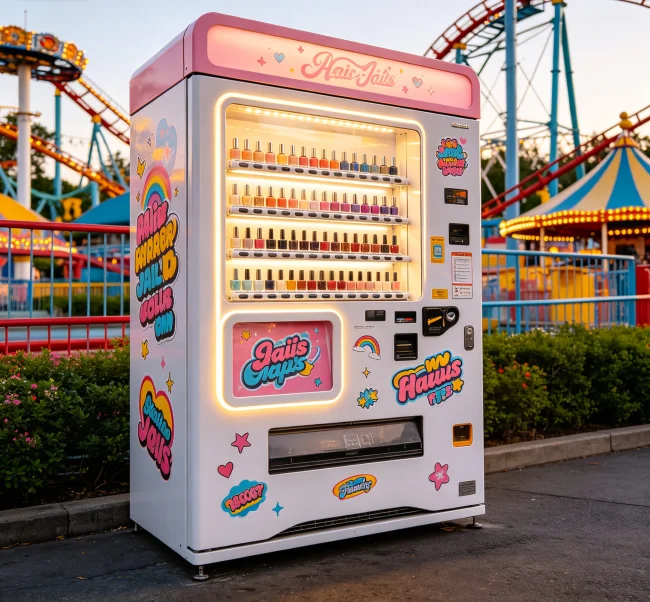
Use these five pillars to objectively score any potential site. We recommend creating a simple scoring sheet (1-5 for each criterion) to compare locations head-to-head.
💡 Pro Scout Tip: Visit potential locations at different times—weekday vs. weekend, morning vs. evening. A spot bustling on Saturday afternoon could be dead on a Tuesday morning, drastically affecting your weekly revenue average.
Step 3: Compare and Evaluate Venue Types
Not all high-traffic venues are created equal. Here’s a breakdown of common location types, their pros, cons, and what to expect:
| Venue Type | Pros | Cons | Target Customer | Typical Commission Ask |
|---|---|---|---|---|
| College/University (Dorm lobby, student union) | Perfect demographic, high dwell time, repeat customers. | Seasonal (summer breaks), may require campus approval. | Students (18-22) | 10-20% of gross sales |
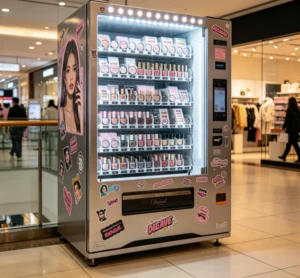
| Shopping Malls (Near food court, restrooms) | Massive foot traffic, shopping mindset. | High competition, often expensive rent/commission. | Teens, young adults, families | 15-25% + possible flat fee |
| Beauty/Nail Salons (Waiting area) | Perfect customer intent, low competition for art, high trust. | Limited traffic volume, owner may see it as competition. | Clients (all ages) | |
| Family Entertainment Centers (Bowling, arcades) | Captive kids/teens, parents in spending mode. | Can be noisy, machine may get less focused attention. | Children, Teens | 10-15% |
| Laundromats | Very high dwell time, repetitive weekly visits. | Demographic can be broad, must ensure area is safe/clean. | Adults, Families | Often a flat monthly fee ($50-$150) |
How to Pitch and Negotiate with Venue Owners
Securing the spot is a sales process. Come prepared to make the owner’s life easier and frame it as a partnership.
💡 Negotiation Script Starter: “Hi [Owner Name], I provide nail art vending machines that help entertain waiting customers and generate extra income for businesses like yours. I handle everything—machine, stocking, maintenance. Would you be open to a 90-day trial at [Location]? You’d earn [X]% of all sales with zero effort on your part.”
Legal and Operational Checklist Before You Place
Before you sign anything or plug in the machine, confirm these essentials:
Common Location Pitfalls to Avoid
Learn from the mistakes of early operators:
What Benchmarks Should You Aim For?
While results vary wildly, these benchmarks can guide your expectations:
💡 Final Reality Check: The perfect location doesn’t exist. You are trading off between traffic volume, commission cost, and demographic match. Use your scoring sheet to find the best available balance for your specific goals and budget.
Securing a Reliable Machine for Your Prime Spot
Once you’ve secured the perfect location, your next critical step is sourcing a machine that won’t let you down. The last thing you want is a technical failure that frustrates customers and angers your venue partner. Look for machines with robust payment systems (cashless is increasingly essential), reliable mechanical components, and clear instructions. Partnering with an established manufacturer can provide warranty support and access to spare parts. For operators looking to scale, finding a supplier that offers consistent quality and can handle larger orders is key. Platforms like vendingcore.com simplify this by aggregating hundreds of pre-vetted manufacturers, allowing you to compare specs, certifications, and pricing directly, ensuring the machine is as solid as the location you fought to secure.
Calculating Your Potential ROI
Understanding your numbers upfront is crucial. A simple ROI framework considers your total investment (machine cost, initial inventory, placement fee), your ongoing costs (product restock, venue commission, transportation), and your projected revenue. As a rough guide, a well-placed machine in a venue like a college student union can often see a full return on investment within 8-12 months. Use conservative estimates for your sales conversions to build a resilient business model. Many new operators fail by using overly optimistic projections; it’s better to be pleasantly surprised.
The Importance of a Placement Trial Period
Never commit to a long-term contract for an unproven location. Propose a 60 to 90-day trial period to both the venue owner and yourself. This allows you to collect real sales data, assess customer engagement, and identify any unforeseen issues (like poor lighting at night or interference from store displays). It also gives the owner tangible proof of the added value without a long-term obligation. Frame the trial as a “proof of concept” partnership. Having concrete data from the trial strengthens your position for negotiating the final long-term agreement.
Managing Multiple Machine Locations
If your first location is a success, you’ll likely consider expansion. Managing multiple locations introduces new challenges: logistics for restocking and maintenance across a wider area, tracking individual machine performance, and managing relationships with multiple venue owners. Developing a systematic route plan and using technology—like machines that send stock-level alerts or remote sales monitoring—becomes essential. Standardizing your machine model across locations can also simplify inventory management and repairs.
Navigating Zoning and Local Regulations
While often overlooked, local business regulations can impact your vending operation. Some municipalities require specific vending licenses or permits, especially in publicly-owned spaces like transit stations or parks. Others may have zoning rules about the types of goods sold or the size of the machine. Always check with your city clerk’s office or local small business administration before finalizing a location. A quick phone call can prevent a costly violation or the need to suddenly relocate your machine.
Building a Relationship with Your Venue Partner
Your relationship with the store or property manager is an asset. Treat them as a true partner. Be proactive with communication, promptly address any issues they report, and consider offering small incentives for their staff to promote the machine. A happy venue partner is more likely to renew your agreement, give you prime placement within their space, and may even refer you to other business owners. This relationship is the human foundation that supports the physical location of your machine.
1 Comments