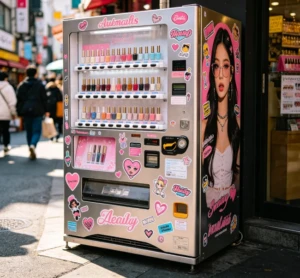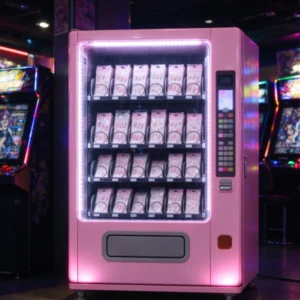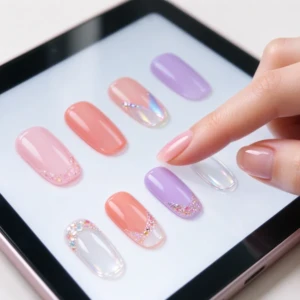
An AI nail printer is better for speed, design precision, and lower per-use cost, while a salon is better for a holistic care experience, nail health, and adaptive artistry.
Torn between a flawless, intricate design in minutes and a relaxing, pampering salon experience? You're not alone. The truth is, "better" depends on what you're after. This article cuts through the hype to give you a clear, side-by-side comparison on cost, time, and results. We'll help you decide what's right for your nails or your business, with real data from the beauty tech world.
The question of whether an AI nail printer is better than a salon visit isn’t just about technology—it’s about a fundamental shift in how we think about beauty services. Honestly, the answer depends entirely on what you value most: the perfect, consistent design, or the human touch and pampering experience. The rise of these devices has created a new category, forcing both consumers and salon owners to reconsider their options.
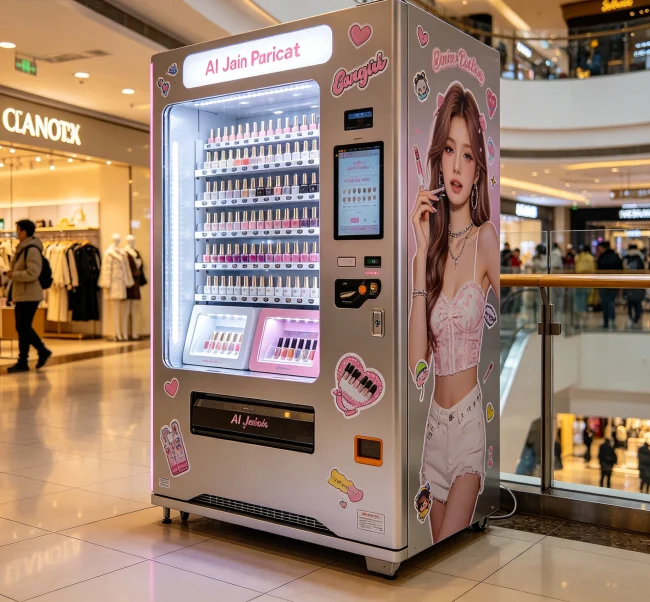
💡 Key Takeaway: Don’t think of it as a simple “better or worse” choice. It’s about matching the right tool to your specific needs, whether you’re a customer or a business owner.
Let’s be frank: human hands, no matter how skilled, have limits. An AI nail printer uses a high-resolution camera to scan your nail bed, then a robotic arm applies polish with micron-level precision. The result? Flawlessly symmetrical French tips, intricate geometric patterns, and photorealistic images that would challenge even the most talented nail artist.
This consistency is a game-changer for businesses. Think about it—a salon can guarantee every client gets the exact same high-quality design, eliminating variations between technicians. For someone running a vending machine business, this reliability is crucial. When we source equipment for our platform, we prioritize manufacturers whose machines deliver consistent, repeatable results, because that’s what builds customer trust and repeat business.
The Salon Experience: More Than Just Polish
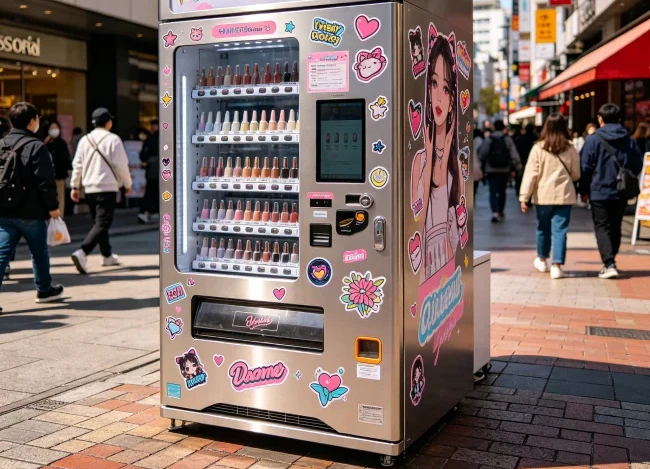
On the other hand, a salon visit is a multi-sensory experience. It’s the hand massage, the expert shaping and cuticle care, the professional advice on nail health, and the social interaction. An AI printer applies polish; it doesn’t file, buff, or provide a gel manicure with its durable finish and curing process.
The human element also allows for adaptive creativity. A skilled technician can adjust a design on the fly based on your nail shape or personal feedback. They can blend colors or create custom ombre effects that a pre-programmed machine might struggle with. This bespoke service is the salon’s core value proposition.
💡 Practical Advice: If your primary goal is a unique, intricate design with perfect symmetry, an AI printer is superior. If you seek relaxation, nail health services, and adaptive artistry, a salon is unbeatable.
Cost and Time: A Clear Breakdown
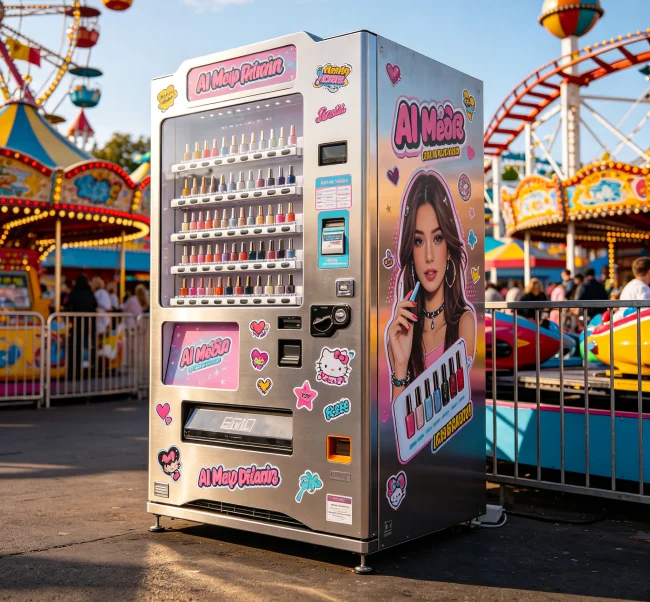
From a purely transactional view, the economics differ sharply. Here’s a straightforward comparison of typical costs and time investment.
FactorAI Nail Printer (Consumer/Service)Traditional Salon VisitCost Per Application$2 – $8 (for polish/ink)$30 – $80+ (for gel/art)Time Required3-8 minutes (print time only)45 – 90 minutes (full service)Long-Term InvestmentHigh upfront machine cost ($3k-$15k)Recurring service fee per visitSkill DependencyLow (operational training only)High (requires licensed technician)
For business owners, this table highlights a critical decision. The high upfront cost of a quality AI printer is offset by low variable costs and incredible speed, allowing for high-volume service in locations like malls, airports, or universities. This is a model we understand deeply at vendingcore.com, where we connect entrepreneurs with manufacturers who build durable, high-throughput machines designed for commercial use.
The Hygiene and Safety Angle
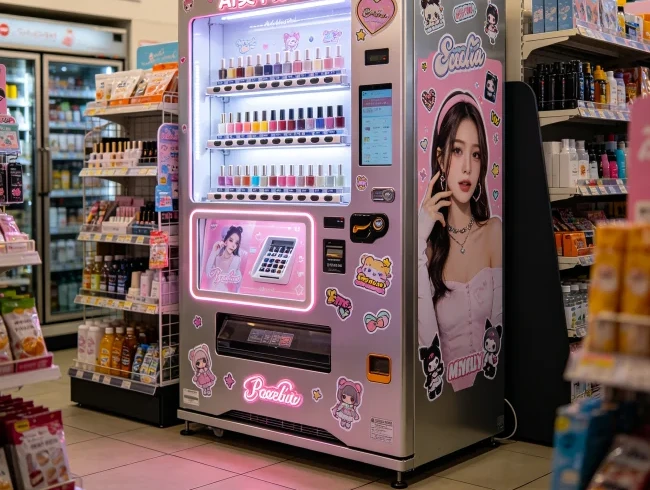
This is particularly crucial post-2026. AI nail printers offer a contactless or minimally-contact application. The customer often places their finger in a sanitized booth, eliminating the risk of cross-contamination from tools used on multiple clients. Reputable manufacturers design pods with UV-C light sterilization between uses.
Salons, meanwhile, rely on strict autoclave sterilization protocols for metal tools and disposable files. The risk is managed by professional standards, but it requires diligent practice. For health-conscious consumers, the sealed, automated process of a printer can be a significant advantage.
💡 Critical Info: Always verify the sanitation protocols of any AI nail printer. Look for models with certified sterilization cycles and easy-to-clean surfaces from trusted suppliers.
What Salon Owners Need to Know About Integration
If you’re a salon owner reading this, don’t panic. The smart move isn’t to replace your technicians, but to augment your service menu. Many forward-thinking salons now offer “AI Design Booths.” A technician performs the base manicure—shaping, cuticle work, base coat—and then the client selects a hyper-detailed design from a digital library to be printed on in minutes.
This hybrid model increases revenue per chair, attracts tech-savvy clients, and allows artists to focus on high-touch services. It turns a potential threat into a powerful upsell tool. Sourcing a compact, reliable printer that fits a salon workflow is key, which is why we work with manufacturers who understand the specific space and power requirements of beauty professionals.
The Limitations of Current AI Printer Technology
To be balanced, the technology isn’t perfect yet. Most consumer and commercial printers work best with standard nail polish or specific UV inks. They cannot apply builder gel for extensions, acrylics, or dip powder. The finish may also differ from the thick, glossy top coat of a gel manicure.
Furthermore, they struggle with highly curved or very short nail beds. The camera needs a certain surface area to map the design correctly. This means the service isn’t universally accessible to all nail types, a limitation a human artist can more easily work around.
The Future: Coexistence and Specialization
The future isn’t “printers vs. salons.” It’s specialization. AI printers will dominate in high-speed, design-focused, and location-based entertainment vending. You’ll see them everywhere from cruise ships to apartment lobbies, offering a fun, quick, and consistent service.
Salons will increasingly focus on wellness, nail health therapeutics, advanced extensions, and bespoke artistic collaboration that machines cannot replicate. The businesses that thrive will be those that clearly define their unique value proposition.
💡 Final Thought: Evaluate based on your desired outcome. For perfect, fast, intricate art, choose AI. For a holistic, pampering, and adaptive beauty service, choose a salon. For maximum business potential, consider integrating both.
In conclusion, declaring one “better” is misleading. An AI nail printer is a superior tool for specific tasks: speed, cost-per-application, design complexity, and hygiene control. A traditional salon provides a superior experience focused on care, craftsmanship, and customization. For entrepreneurs, the commercial opportunity in AI-powered vending is substantial, but it requires investing in robust, well-supported equipment from quality manufacturers. The beauty industry is expanding to make room for both, giving consumers and business owners more powerful choices than ever before.